 EN
EN
STEP 1
Full vehicle warranty for 2 years
2026/08/12
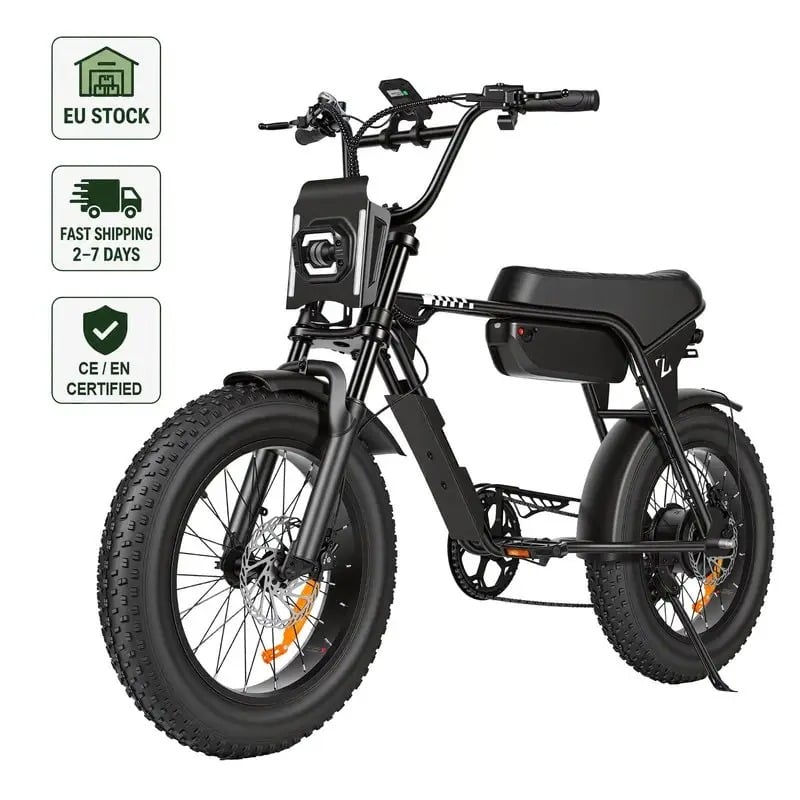
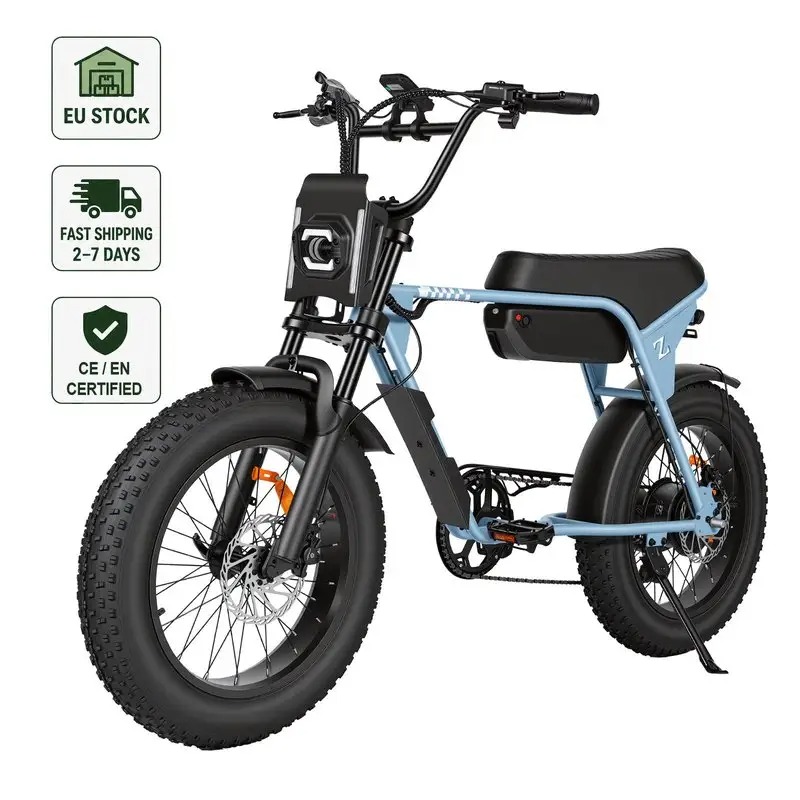
Frame rigidity is a critical but often overlooked factor when selecting an electric city bike. The structural stiffness of your bike's frame directly influences how the bike responds to pedaling force, motor power delivery, and road impacts. A rigid frame ensures efficient energy transfer from the motor and your legs to the wheels, while also maintaining precise handling characteristics that matter during tight urban maneuvers and sudden stops.
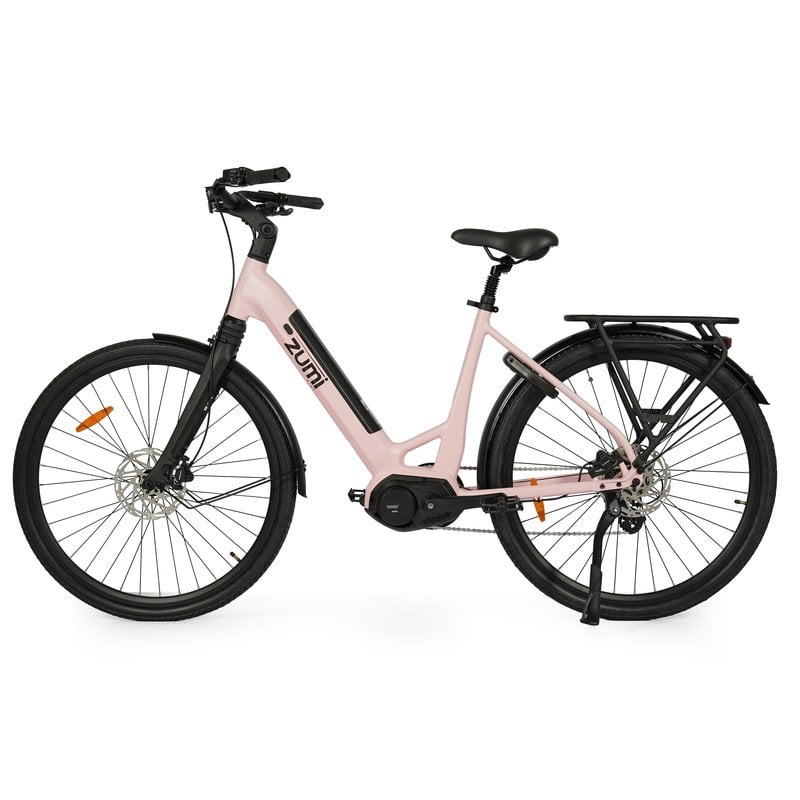
Understanding frame rigidity becomes essential for urban commuters who rely on consistent performance in demanding conditions. Whether you're riding an electric bikes for city riding through congested streets or navigating mixed terrain, frame stiffness affects comfort, power efficiency, and long-term durability. This guide explores how frame construction methods impact your overall riding experience and what specifications matter most when evaluating city cruiser electric bike options.
A rigid frame minimizes flex during acceleration and maintains optimal alignment between motor components. When your ebike city bike frame flexes excessively, some of the motor's output dissipates through structural movement rather than propelling the bike forward. This energy loss reduces efficiency and forces the motor to work harder, draining your battery faster during city commutes. Conversely, a properly rigid frame channels nearly all motor power directly into forward motion, extending range and reducing charging frequency.
Frame rigidity also determines how well your urban commuting e bike responds to dynamic power demands. In city environments, you frequently accelerate from stops, navigate around obstacles, and handle varied grades. A flexible frame introduces lag into these responses, making the bike feel sluggish and unpredictable. Rigidity ensures immediate, proportional power delivery that matches rider input, creating a more responsive and satisfying urban riding experience.
Hub motors, commonly found in electric bikes for city riding, rely on frame rigidity to function optimally. When the frame is stiff, the motor mounts securely without vibration or movement under load. A frame that deflects during acceleration introduces micromovement at the motor connection points, causing vibration, noise, and potential long-term damage to motor bearings. City cruiser electric bike frames engineered for rigidity eliminate these issues, ensuring quiet operation and extended component lifespan.
Mid-drive motor systems also benefit from rigidity. These motors apply force through the bike's chain and drivetrain, making frame stiffness particularly important for structural integrity. A rigid ebike city bike frame distributes mid-drive forces evenly across the entire structure, preventing stress concentration at seatpost or chainstay connections where failure often occurs in poorly designed frames.
Urban commuting e bike riders frequently encounter sudden obstacles, tight turns, and rapid direction changes. Frame rigidity directly impacts steering precision and stability during these maneuvers. A rigid frame responds immediately to handlebar input, allowing predictable steering behavior that's essential for dodging parked cars, pedestrians, and road hazards. Flex in the frame introduces steering lag and unpredictability, making the bike harder to control precisely when safety depends on it.
Braking performance also depends on frame rigidity. When braking hard, forces transfer from the brake calipers back through the frame. A flexible frame absorbs some braking energy through deflection rather than converting it into deceleration, reducing stopping power and extending stopping distance. For urban commuting, where emergency stops may be necessary, frame rigidity ensures consistent, powerful braking that can help avoid accidents.
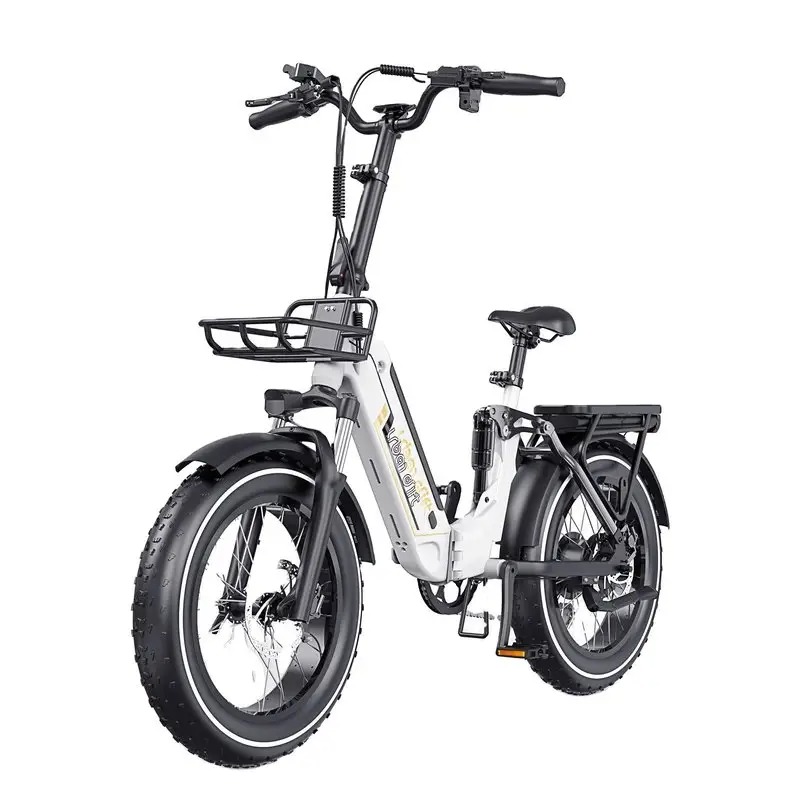
Electric city bike riders often carry cargo—bags, packages, groceries, or cargo racks. Frame rigidity becomes critical when distributing these additional loads. A flexible frame may develop excessive wobble or unstable handling characteristics when loaded, compromising safety and rider confidence. A rigid electric bikes for city riding frame maintains stable geometry regardless of load, providing consistent feel whether the bike is empty or fully loaded with commuting gear.
City streets present mixed terrain: smooth asphalt, rough patches, cobblestones, and potholes. A rigid frame filters road vibration effectively while maintaining wheel contact and alignment. Excessive frame flex causes wheels to lose contact momentarily over bumps, reducing traction and control. This stability is especially important for city cruiser electric bike riders navigating variable surfaces at moderate speeds where predictability matters.
Steel frames offer excellent rigidity relative to their cost, making them popular for ebike city bike designs. Steel's natural stiffness requires less material to achieve rigidity, though the added weight compared to aluminum is a trade-off. Aluminum frames require careful tube sizing and triangulation to achieve equivalent rigidity, but deliver lighter weight bikes. Carbon fiber frames provide maximum rigidity with minimal weight, but come at premium pricing unsuitable for many urban commuting e bike buyers.
For electric bikes for city riding, aluminum has become the dominant choice because it balances rigidity, weight, and cost effectively. Modern aluminum frame designs use larger diameter tubes and optimized wall thickness to maximize stiffness. Steel remains viable for heavy-duty applications and cargo-focused city cruiser electric bike designs, while carbon appears primarily in high-end models where cost is less of a constraint.
Frame geometry significantly impacts rigidity independent of material choice. A shorter wheelbase and lower seat height generally create stiffer frames by reducing unsupported spans. Bottom bracket stiffness, crucial for transferring power, depends on properly reinforced areas around the pedal crank. The rear triangle, which connects the seat tube to rear axle, must be particularly stiff to handle motor forces and power delivery. Electric city bike designers incorporate gussets, reinforcement plates, and optimized tube profiles to maximize stiffness at critical connection points.
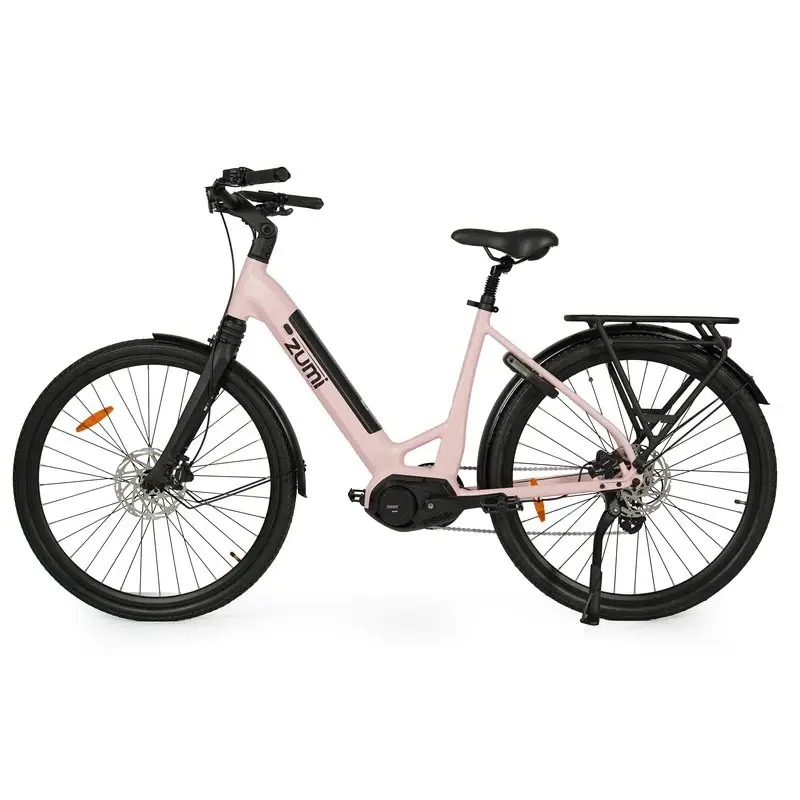
Step-through frame designs, popular for urban commuting e bike applications because they offer easy mounting, require special attention to rigidity. These frames eliminate the top tube for convenience, reducing overall frame stiffness compared to traditional diamond frames. Manufacturers compensate through enhanced seat tube diameter, reinforced head tube connections, and strengthened chainstays. Quality step-through electric bikes for city riding maintain comparable rigidity to equivalent diamond frames through superior engineering, while budget models may suffer from flex issues.
The most practical test is loading the frame with your full body weight plus gear, then observing handling feel and power response. A responsive, predictable feel during acceleration and turning indicates adequate rigidity. You can also perform a static flex test by pressing downward on the seat while the bike is stationary—minimal visible flex is ideal. Listen for creaks or unusual sounds during riding, which often indicate frame flex or connection issues requiring attention.
Minor flex can sometimes be addressed by tightening frame connection bolts or adjusting component mounting. However, fundamental frame design issues cannot be fixed with simple adjustments. Adding external reinforcement braces may help slightly but typically indicates that replacing the bike or retrofitting a new frame is more practical. Prevention through selecting a properly engineered electric bikes for city riding frame initially is far more cost-effective than attempting repairs.
Both matter, but rigidity generally takes priority for electric city bike use. A slightly heavier, rigid frame outperforms a lighter, flexible frame in handling, efficiency, and safety. However, excessive weight does matter—most electric city bike designs optimize by using rigid materials efficiently to minimize total weight while maintaining stiffness. The goal is finding the balance where structural integrity is never compromised for marginal weight savings.
2026/08/03
Fix time zones, language gaps, and unclear protocols—boost speed, cut costs, and scale confidently.
2026/08/03
Avoid liability & import bans: Learn IEC 62619, UN 38.3, and UL 2271—plus how to verify real compliance (not fakes).
2026/08/03
Learn precise air pressure, rebound & compression tuning for optimal suspension performance. Get pro-level setup tips now.
2026/08/03
Discover how voltage drop saps performance—and proven fixes to restore responsiveness, range, and battery life. Read now.
2026/08/03
Discover data-backed protocols, smart infrastructure & operational fixes. Optimize now.
2026/08/03
How payload cuts 48V cargo ebike range by 15–50%+ — backed by real-world degradation curves, motor load science & fleet optimization strategies.
Comprehensive warranty, fast parts shipping, remote diagnostics and local dealer training


