 EN
EN
STEP 1
Full vehicle warranty for 2 years
2026/08/27
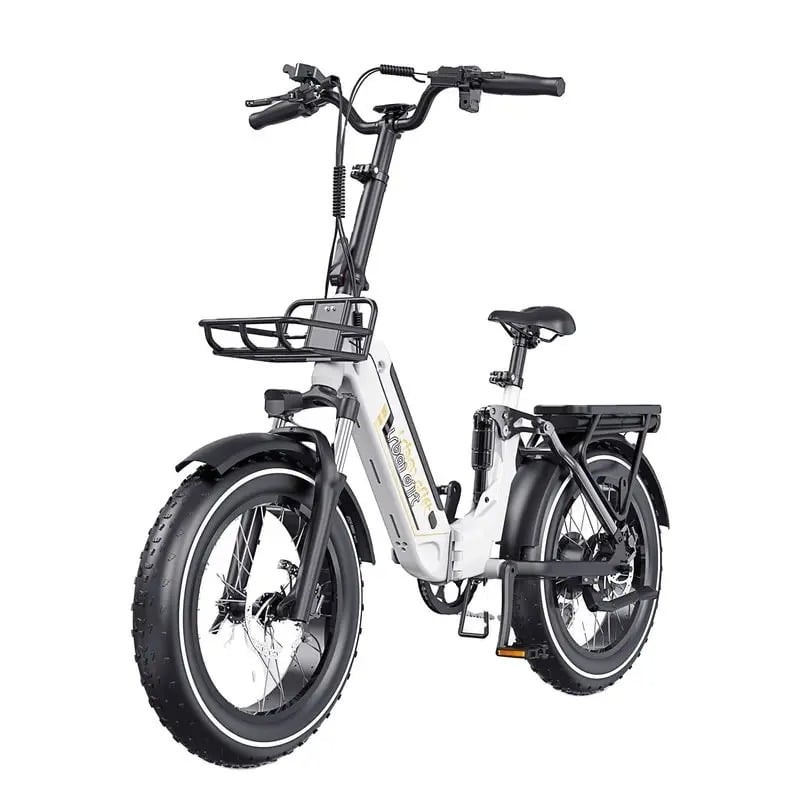
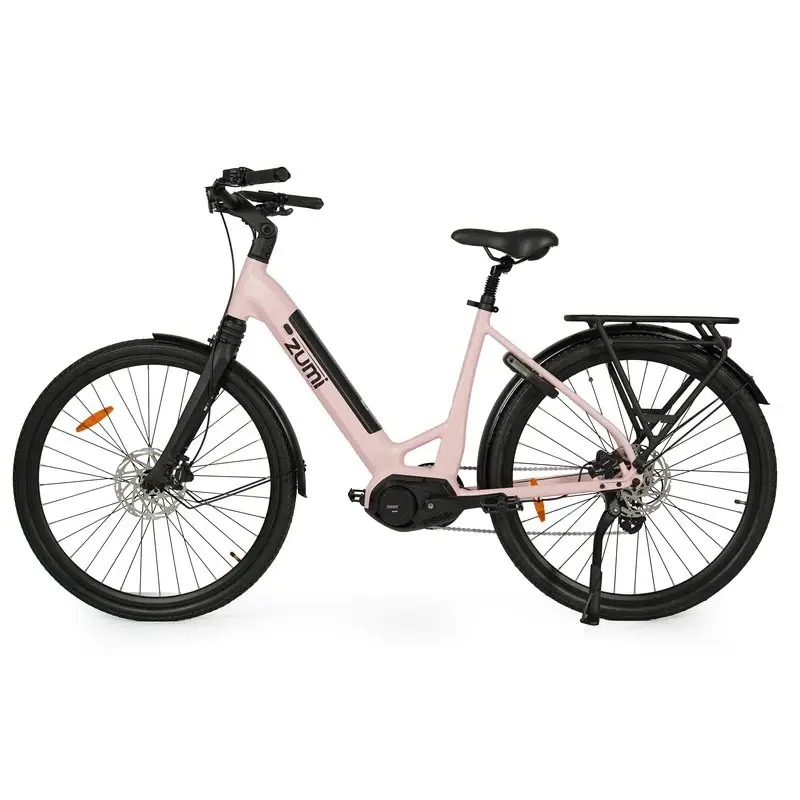
Step-through geometry has become a defining feature of modern city ebikes, fundamentally changing how riders experience urban commuting. This frame design, where the top tube slopes downward to meet the seat tube at a lower height, creates an accessible entry point that eliminates the awkward swing-over motion traditional diamond frames require. For riders considering an electric bike for city use, understanding how step-through geometry enhances daily practicality is essential to choosing the right commuter ebike.
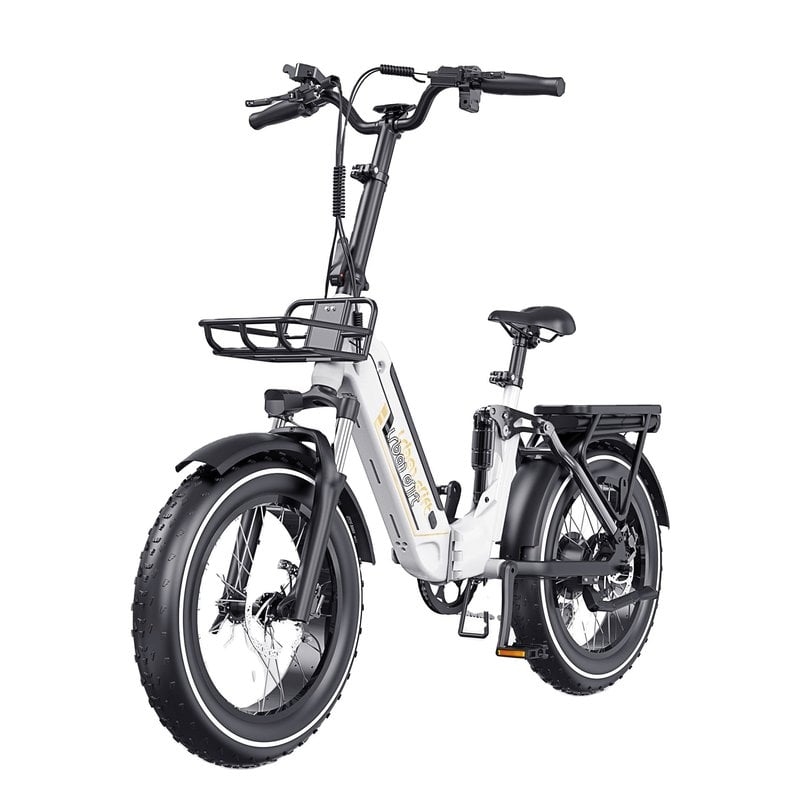
The appeal of step-through geometry extends far beyond simple convenience. Urban environments present unique challenges—frequent stops at traffic lights, crowded bike lanes, and the need to dismount quickly in tight spaces. A commuter ebike with step-through geometry addresses these challenges by offering rapid mounting and dismounting without the risk of catching clothing or losing balance. This design choice reflects a deeper understanding of how city riders actually use their bikes throughout a typical commute.
Step-through geometry fundamentally improves accessibility for a broader range of riders. Whether you wear business attire, skirts, or have limited flexibility, this urban electric bike design eliminates barriers to mounting and dismounting. In busy city streets where balance and quick reactions matter, the ability to place one foot on the ground without straddling the frame provides immediate stability. A city ebike with this geometry reduces the likelihood of falls when starting from a standstill, particularly valuable for less experienced riders integrating into urban traffic patterns.
Safety extends to handling parked bikes as well. Commuter ebike riders often need to maneuver their bikes in crowded parking areas or navigate narrow sidewalk spaces. The lower top tube geometry allows riders to guide the bike more intuitively through tight quarters without the frame creating obstacles at waist height. This practical advantage makes the commuter ebike easier to control in the stop-and-start environment that characterizes city riding.
Urban electric bike commutes involve countless mounting and dismounting cycles. Traditional diamond frames force riders to swing their legs high and outward, a repetitive motion that accumulates strain over weeks and months. Step-through geometry distributes this physical demand more evenly by allowing a natural stepping motion that most people perform hundreds of times daily anyway. The urban electric bike frame moves with your body's natural mechanics rather than forcing uncomfortable compensations. For riders over forty or those with knee concerns, this difference becomes dramatically apparent within the first week of commuting.
Step-through geometry typically uses reinforced materials along the seat tube to maintain structural integrity despite the lower connection point. High-quality city ebike frames employ aluminum alloys or steel tubing that maintains rigidity while accommodating the modified geometry. The design concentrates material strategically at stress points, ensuring a commuter ebike remains durable through daily urban use. Engineers must balance weight, strength, and the rider's comfort expectations when designing a frame that handles the demands of electric assist and frequent stop-start acceleration patterns.
The seat tube angle in step-through geometry often differs from traditional frames to maintain proper weight distribution. This geometric consideration affects how the urban electric bike handles during acceleration and braking. Manufacturers investing in thoughtful step-through design ensure that the frame geometry complements the motor's power delivery characteristics, creating a stable and predictable riding experience that city riders can rely on during commutes.
Step-through geometry influences how components mount on a city ebike. Battery placement, motor positioning, and cable routing all adapt to the modified frame structure. A well-designed commuter ebike integrates these elements seamlessly, maintaining clean aesthetics while preserving functionality. The lowered top tube also simplifies adding accessories like baskets, lights, or fenders—common requirements for urban electric bike riders who carry work supplies or navigate night streets. This adaptability makes step-through geometry particularly valuable for riders who customize their bikes to match specific commuting needs.
Consider a typical morning commute on a city ebike. A rider in professional clothing approaches a traffic light. With step-through geometry, they smoothly place one foot on the pavement while the bike remains upright, then seamlessly resume pedaling when traffic clears. Compare this to struggling with a diamond frame while wearing a skirt or dress—the step-through advantage becomes immediately obvious. Urban electric bike riders navigate subway stations, bike racks, and narrow hallways throughout their day. The commuter ebike with step-through geometry eliminates the awkward maneuvering these environments require with traditional frames.
Weather adds another dimension to urban commuting. During rain or snow, riders need maximum control and stability. Step-through geometry provides better positioning for these conditions because riders maintain lower centers of gravity and more intuitive balance adjustments. A city ebike designed this way responds more naturally to the rider's weight shifts when navigating slippery surfaces or sudden obstacles.
Step-through geometry appeals to diverse urban populations. Older riders appreciate the reduced physical demands. Parents value the quick dismounting for emergency situations. Professional commuters in formal attire rely on frame designs that don't interfere with their wardrobes. An urban electric bike with step-through geometry removes barriers that might otherwise discourage people from choosing ebikes for city transportation. This inclusivity makes step-through geometry a smart investment for anyone treating their commuter ebike as serious transportation infrastructure rather than recreational equipment.
No. Modern manufacturing techniques and material science ensure that step-through geometry maintains full structural rigidity. Quality city ebike builders use reinforced tubing and strategic bracing to compensate for the lowered top tube. The commuter ebike frame handles motor torque, cargo loads, and everyday impacts as effectively as traditional geometries. Engineers have solved this challenge through decades of design refinement, making step-through geometry as durable as diamond frames.
Weight differences are typically minimal when comparing quality bikes of the same class. A commuter ebike with step-through geometry might weigh within a pound or two of an equivalent diamond-frame city ebike, depending on specific component choices and materials. The electric motor and battery dominate total weight anyway, far exceeding any frame geometry differences. Riders should prioritize frame quality and component selection over worrying about marginal weight variations between geometry types.
Yes, though sizing becomes even more critical than with traditional frames. An urban electric bike manufacturer offers step-through models across multiple size ranges, each calibrated for different height ranges and proportions. A properly-sized commuter ebike with step-through geometry fits riders from approximately five feet tall to six feet five inches, depending on the specific model. Professional fitting ensures optimal comfort and safety regardless of the rider's physical dimensions or flexibility levels.
2026/08/03
Fix time zones, language gaps, and unclear protocols—boost speed, cut costs, and scale confidently.
2026/08/03
Avoid liability & import bans: Learn IEC 62619, UN 38.3, and UL 2271—plus how to verify real compliance (not fakes).
2026/08/03
Learn precise air pressure, rebound & compression tuning for optimal suspension performance. Get pro-level setup tips now.
2026/08/03
Discover how voltage drop saps performance—and proven fixes to restore responsiveness, range, and battery life. Read now.
2026/08/03
Discover data-backed protocols, smart infrastructure & operational fixes. Optimize now.
2026/08/03
How payload cuts 48V cargo ebike range by 15–50%+ — backed by real-world degradation curves, motor load science & fleet optimization strategies.
Comprehensive warranty, fast parts shipping, remote diagnostics and local dealer training


