 EN
EN
STEP 1
Full vehicle warranty for 2 years
2026/09/04
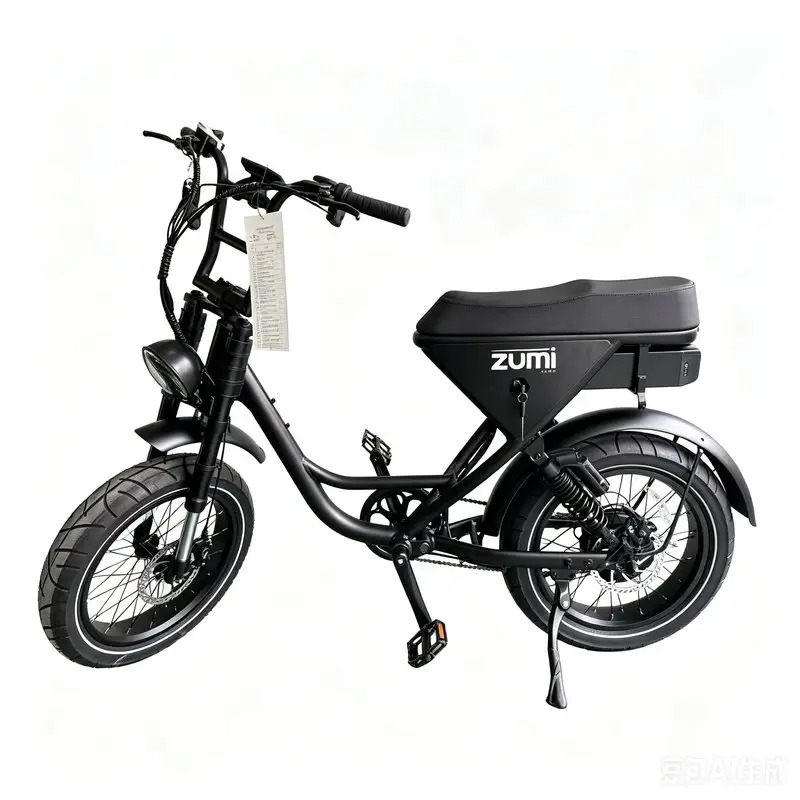
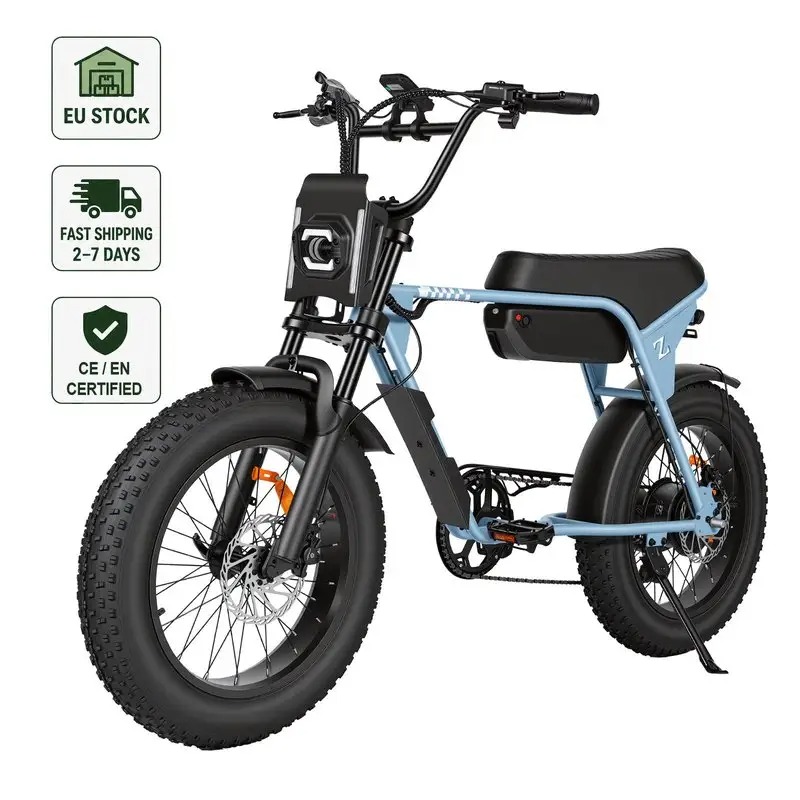
Understanding system efficiency improvements in a 48v electric bike is essential for anyone considering this technology for commuting, recreation, or off-road adventures. A 48v electric bike represents a balanced approach to power delivery and energy management, offering riders practical efficiency gains that translate to longer range, faster acceleration, and reduced strain on system components. The 48-volt platform has become the industry standard for mid-range and performance electric bikes because it delivers meaningful torque while maintaining reasonable battery weight and electrical safety margins.
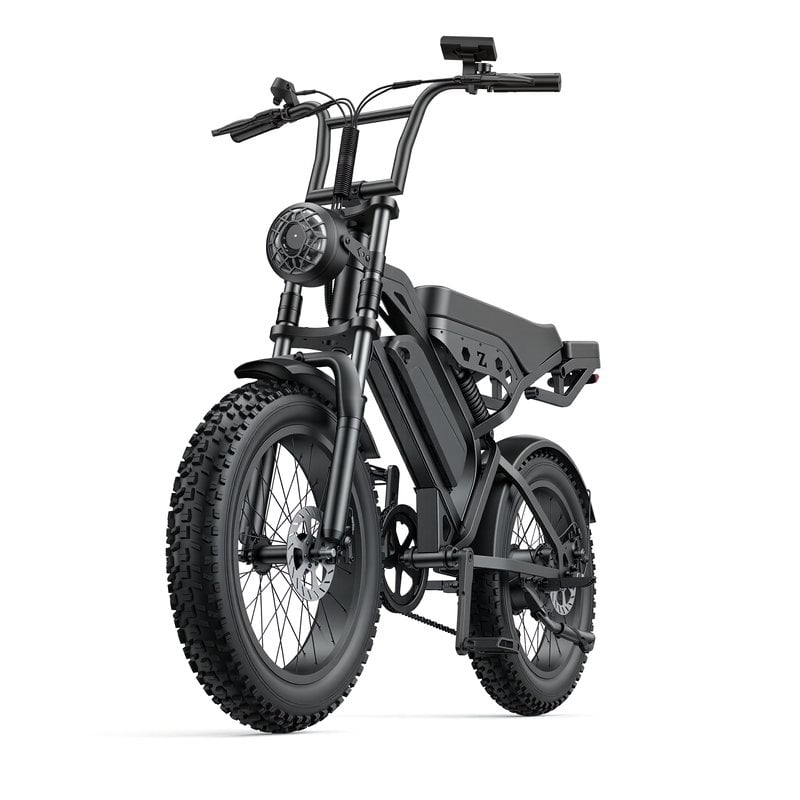
The efficiency improvements built into modern 48v ebikes stem from three interconnected systems: the motor technology, battery management architecture, and drivetrain integration. Each component works together to maximize energy conversion and minimize wasted power, allowing riders to travel farther on a single charge while experiencing smoother, more responsive acceleration. Whether you are evaluating 48v ebikes for personal use or understanding the technology for purchasing decisions, recognizing how these systems interact reveals why this voltage standard has become the preferred choice for balancing performance with practicality.
The motor represents the heart of any ebike system efficiency. Modern 48v electric mountain bikes utilize either direct-drive or geared hub motors, each designed to optimize energy conversion at different riding conditions. Direct-drive motors provide consistent efficiency across a wide speed range and enable regenerative braking, which recaptures energy during descent and braking. Geared motors, commonly found in mid-motor designs, offer higher efficiency at lower speeds and reduce weight compared to direct-drive alternatives, making them ideal for climbing and acceleration scenarios where most riders require power application.
The ebike 48v 250w configuration found in many commuter and urban models uses brushless motors paired with intelligent controllers that adjust power delivery based on pedal input and riding conditions. Brushless designs eliminate friction losses associated with brushes and commutators, directly improving overall system efficiency. The controller continuously monitors motor performance and battery voltage, ensuring the motor operates within optimal efficiency zones. By matching motor output to actual rider demand, these systems prevent wasteful overpower scenarios and extend motor lifespan while maintaining consistent torque response.
A 48v electric bike typically uses lithium iron phosphate or traditional lithium-ion battery packs arranged in series to achieve the target voltage. Modern battery management systems continuously monitor individual cell voltage and temperature, ensuring uniform charge distribution and preventing deep discharge cycles that degrade capacity over time. This cell-level monitoring directly impacts energy efficiency because unbalanced cells reduce the usable capacity and force premature battery protection cutoffs. By maintaining optimal cell health through active balancing, 48v ebikes achieve faster charging cycles and more predictable range performance across hundreds of charge cycles.
System efficiency in an ebike 48v 250w platform extends to thermal management during charging and discharge. Modern batteries include integrated temperature sensors and cooling pathways that prevent excessive heat accumulation, which would reduce energy transfer efficiency. Intelligent chargers adjust charging current based on battery temperature and state of charge, protecting battery chemistry and maximizing cycle life. Cold charging protection prevents damage during winter commutes, while thermal monitoring during discharge helps the battery deliver stable voltage under load, reducing the controller's need for voltage regulation adjustments.
The 48v electric mountain bike typically features either hub-motor or mid-motor architectures, each influencing overall drivetrain efficiency differently. Hub motors bypass the traditional chainring and cassette, eliminating friction losses in the drivetrain while simplifying maintenance. Mid-motor designs integrate the motor with the pedal crank, allowing power to multiply through the bike's existing gears, which improves climbing efficiency and distributes load more evenly across drivetrain components. Each topology offers efficiency advantages in specific scenarios, making the choice dependent on intended usage and terrain characteristics.
An electric bike 48v 1500w system requires sophisticated transmission matching to convert available motor power into useful forward motion across varied terrain. Modern controllers automatically adjust power delivery when riders shift gears, preventing sudden torque spikes that would waste energy or stress components. The gearing integration allows the motor to maintain high efficiency across a broader speed range because it is not forced to operate at extremes where motor and controller losses increase dramatically. This adaptive power management means riders experience consistent, efficient acceleration whether climbing steep grades or cruising on flat surfaces.
A 48v ebikes system operates at higher voltage than 36v alternatives, which allows the motor and controller to deliver the same power while using lower current draw. Lower current means reduced resistive heating in wires and connectors, directly improving efficiency. The 48-volt standard also accommodates higher wattage motors—including models rated at 250w, 750w, and 1500w—without proportionally increasing weight or component stress, making it an efficiency sweet spot for performance-oriented riders who need reliable power delivery across diverse riding conditions.
Regular maintenance of 48v electric mountain bike systems includes keeping the battery contacts clean to ensure consistent electrical flow, checking chain tension and lubrication for drivetrain efficiency, and verifying that controller firmware is current. Battery storage in cool, dry conditions between rides prevents degradation that would reduce charging efficiency. Periodic controller diagnostics can identify power delivery anomalies early, preventing cascading efficiency losses across the system. Keeping motors clean and free from debris preserves cooling airflow, which is essential for maintaining brushless motor performance and longevity.
Many ebike 48v 250w systems can accept controller updates or motor upgrades to support higher power output like 750w or even electric bike 48v 1500w levels, provided the existing battery pack has sufficient capacity for the increased current demand. Upgrading the motor without upgrading the battery typically reduces overall efficiency because the battery is forced to discharge at higher rates, increasing internal resistance and heat generation. For optimal efficiency improvements when moving to higher power configurations, upgrading both motor and battery capacity together ensures the system operates within design parameters and delivers intended performance gains without compromising component reliability or range.
2026/08/03
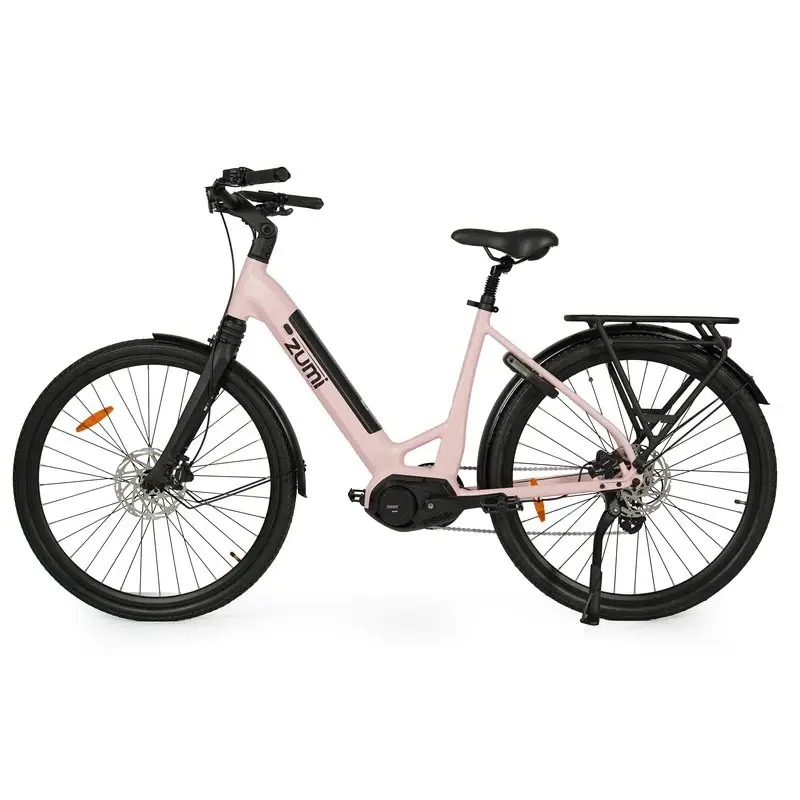
Fix time zones, language gaps, and unclear protocols—boost speed, cut costs, and scale confidently.
2026/08/03
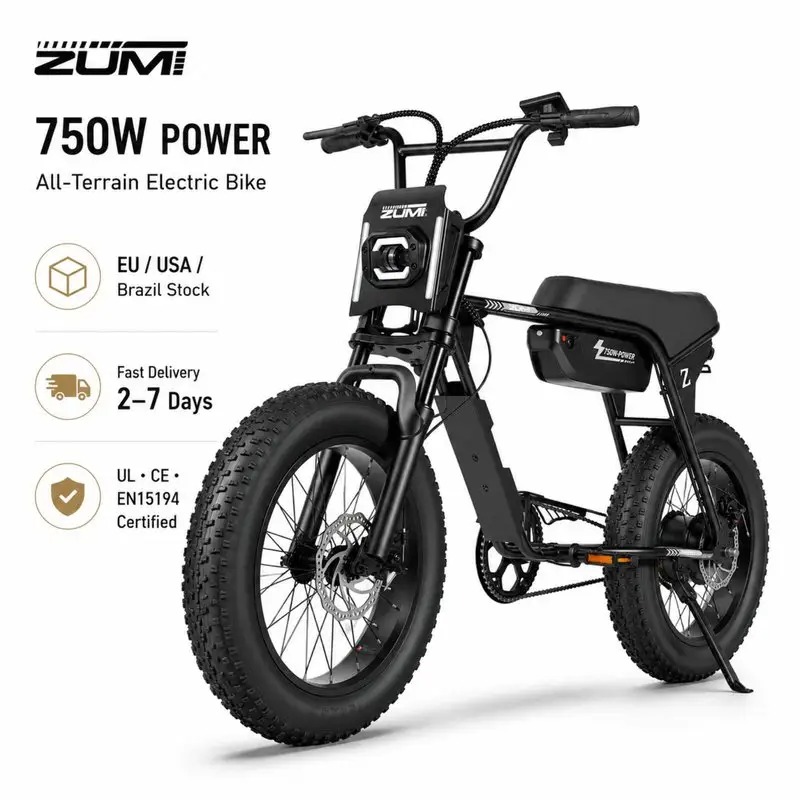
Avoid liability & import bans: Learn IEC 62619, UN 38.3, and UL 2271—plus how to verify real compliance (not fakes).
2026/08/03
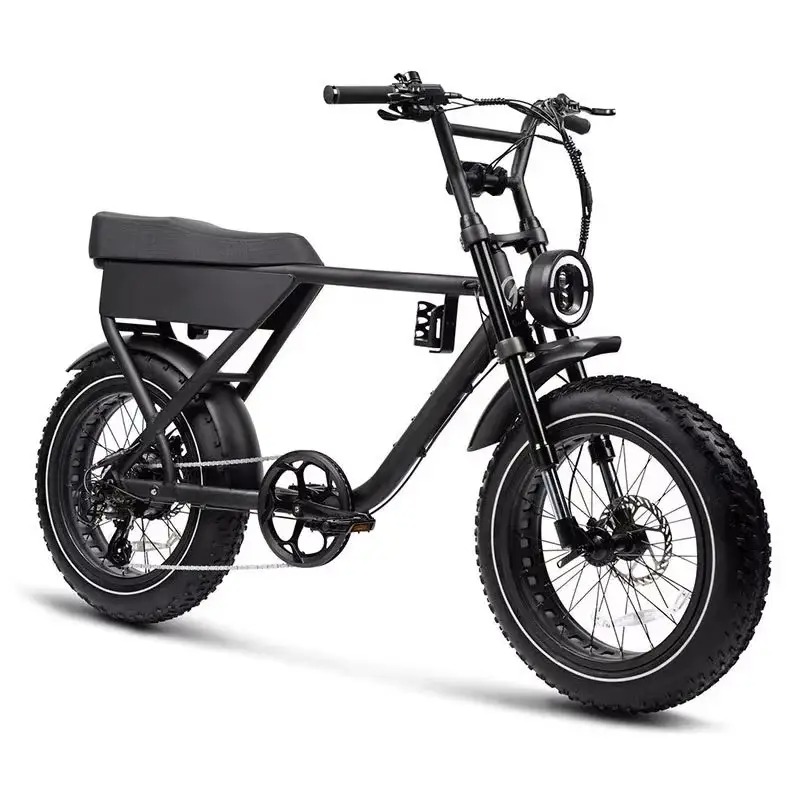
Learn precise air pressure, rebound & compression tuning for optimal suspension performance. Get pro-level setup tips now.
2026/08/03
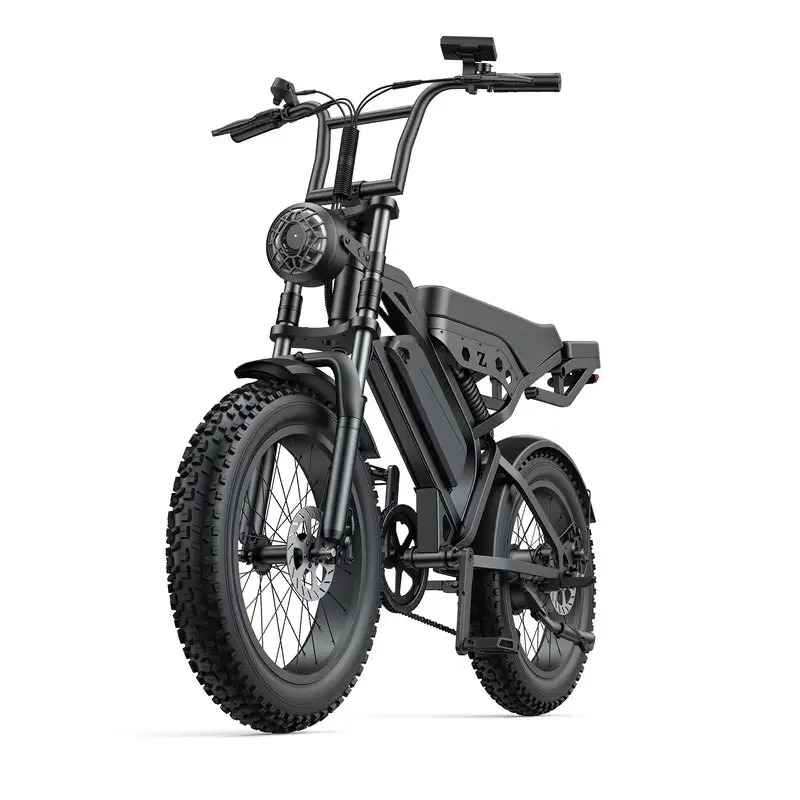
Discover how voltage drop saps performance—and proven fixes to restore responsiveness, range, and battery life. Read now.
2026/08/03
Discover data-backed protocols, smart infrastructure & operational fixes. Optimize now.
2026/08/03
How payload cuts 48V cargo ebike range by 15–50%+ — backed by real-world degradation curves, motor load science & fleet optimization strategies.
Comprehensive warranty, fast parts shipping, remote diagnostics and local dealer training


