 EN
EN
STEP 1
Full vehicle warranty for 2 years
2026/08/07
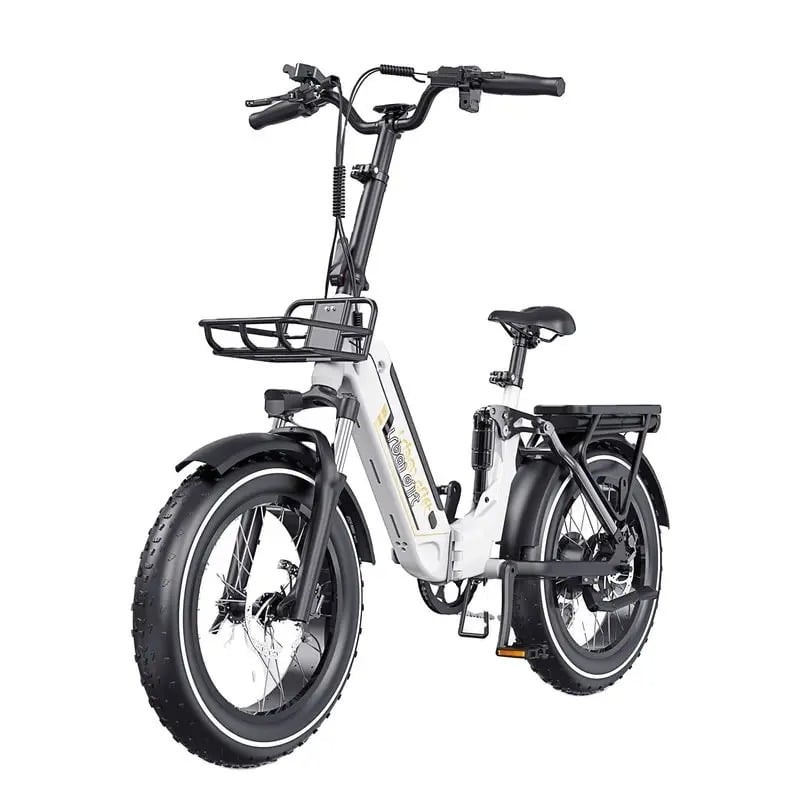
Understanding tariff classifications is essential for any business engaged in importing wholesale ebikes. Tariff codes determine the duties, taxes, and regulatory requirements that apply to your shipments, directly affecting your profit margins and compliance obligations. When you import wholesale ebikes into different markets, each product must be classified according to international trade standards, which vary by destination country and product specifications.
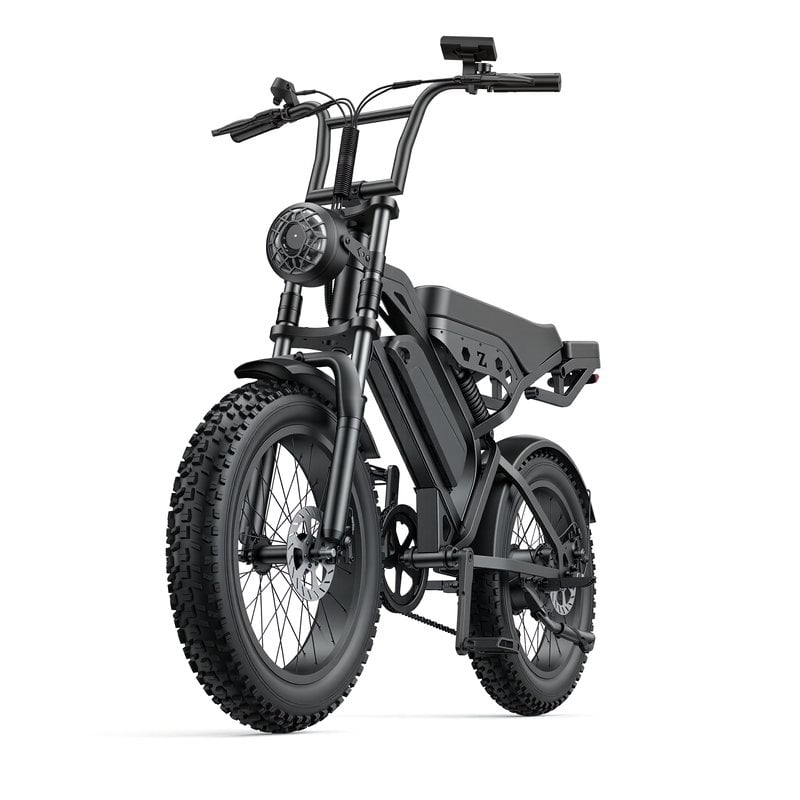
The Harmonized Tariff Schedule provides a standardized classification system used globally for duty assessment on ebike wholesale shipments. Your success in importing electric bike wholesale products depends on accurate classification, which requires understanding the technical specifications that distinguish one category from another. Misclassification can lead to penalties, delayed shipments, and unexpected costs that undermine your business model.
The Harmonized Commodity Description and Coding System is the international standard for classifying goods in international trade. For wholesale electric bikes, the classification begins with the broadest category and narrows down based on specific product features. Most electric bike wholesale products fall under chapter 87, which covers vehicles and their parts, though the exact subheading depends on motor size, battery type, and frame construction.
When importing ebike wholesale shipments, customs authorities use the Harmonized Code to determine applicable tariffs and regulatory requirements. The system includes thousands of codes, and for electric bike wholesale merchandise, the distinction often comes down to whether the motor exceeds specific wattage thresholds. Some jurisdictions treat lower-wattage models as bicycles with electric assist, while higher-wattage units may be classified as motorcycles or motorized vehicles, each carrying different duty rates.
Motor power rating is the primary factor distinguishing tariff classifications for wholesale ebikes. In the United States, electric bikes with motors under 750 watts are often classified differently than those exceeding 750 watts. This distinction affects not only tariff rates but also compliance with consumer safety standards and market access regulations. For ebike wholesale operations, understanding these thresholds helps you source products that align with target market regulations.
Battery voltage and chemistry also influence tariff classification for wholesale electric bikes. Lithium-ion batteries, common in modern electric bike wholesale products, have their own hazmat shipping requirements and may affect the overall classification code. Additionally, frame material, whether the drive system is hub-motor or mid-drive, and the presence of pedaling capability all contribute to how customs classifies your shipment when importing wholesale ebikes.
Different countries apply varying tariff rates to wholesale electric bikes depending on their classification codes. The European Union typically charges lower duties on complete electric bike wholesale units compared to the United States, which maintains higher tariff protections for domestic manufacturers. When planning your ebike wholesale operations, research the specific duty rates for each destination market, as these directly impact your landed cost and pricing strategy.
Origin rules also affect tariff rates on wholesale ebikes. Most trading agreements include rules of origin requirements that determine whether imported wholesale electric bikes qualify for preferential tariff treatment. If your ebike wholesale products meet the origin criteria, you may access lower duty rates under bilateral or multilateral trade agreements, significantly reducing your import costs.
Beyond tariff duties, importing wholesale ebikes involves additional costs that vary by market. Regulatory compliance fees, testing certifications for electrical safety, and environmental compliance charges apply to electric bike wholesale shipments in most jurisdictions. Some regions require third-party testing of battery safety for wholesale electric bikes, adding weeks to your import timeline and raising per-unit costs.
Documentation and customs broker fees represent another layer of cost when importing wholesale ebikes. Accurate classification requires detailed product specifications, supplier certificates, and technical documentation. When you work with a customs broker experienced in ebike wholesale products, they help minimize reclassification disputes and ensure your electric bike wholesale shipments clear customs efficiently.
Obtaining comprehensive technical documentation from your wholesale ebikes suppliers is the foundation of accurate classification. Request detailed specifications including motor wattage, battery capacity in watt-hours, frame material composition, and complete electrical schematics. This documentation becomes crucial when customs authorities question your tariff classification for wholesale electric bikes, providing evidence that supports your declared code.
Maintain consistent sourcing from suppliers who understand international trade requirements for ebike wholesale products. Quality suppliers provide consistent product specifications that align with declared classifications, reducing the risk of reclassification during customs review. For electric bike wholesale operations, supplier reliability directly impacts your compliance record and import efficiency.
Many countries offer advance tariff classification services that provide binding rulings before you import wholesale ebikes. Submitting sample products or detailed specifications for an advance classification ruling eliminates uncertainty about tariff codes and rates. This proactive approach particularly benefits importers handling large volumes of wholesale electric bikes, as it prevents costly misclassifications and ensures consistent application across multiple shipments.
Working with customs authorities to establish standard classifications for your product lines strengthens your compliance position. Once an advance ruling is issued for your wholesale ebikes, subsequent shipments classified under that ruling face lower audit risk. This stability allows you to accurately calculate landed costs and maintain competitive pricing for your ebike wholesale products.
Most wholesale ebikes fall under Harmonized Tariff Code 8711.60 in the United States, which covers electric cycles and motorcycles. However, the exact code depends on motor wattage, whether pedaling capability exists, and complete specifications of your wholesale electric bikes. If your electric bike wholesale products include pedaling functionality and have motors under specific wattage thresholds, they might qualify for alternative codes with lower duty rates. Always verify with a customs broker using your specific product specifications for accurate classification of wholesale ebikes.
Motor wattage is the primary determinant of tariff classification for wholesale ebikes, with many jurisdictions using 750 watts as a key threshold. Batteries rated above certain watt-hour capacities may trigger additional hazmat requirements that influence tariff treatment for electric bike wholesale products. The combination of motor wattage and battery specifications determines whether your wholesale electric bikes are classified as bicycles, motorized bicycles, or motorcycles, each with distinct duty rates and regulatory pathways.
Yes, advance classification rulings provide binding determination of tariff codes before importing wholesale ebikes, eliminating classification uncertainty and potential reclassification costs. By obtaining an advance ruling, you can accurately calculate landed costs, plan pricing strategies, and avoid unexpected duty assessments on wholesale electric bikes. This proactive approach is especially valuable for importers handling significant volumes of ebike wholesale products, as it creates consistency across multiple shipments and reduces customs audit risk.
2026/08/03
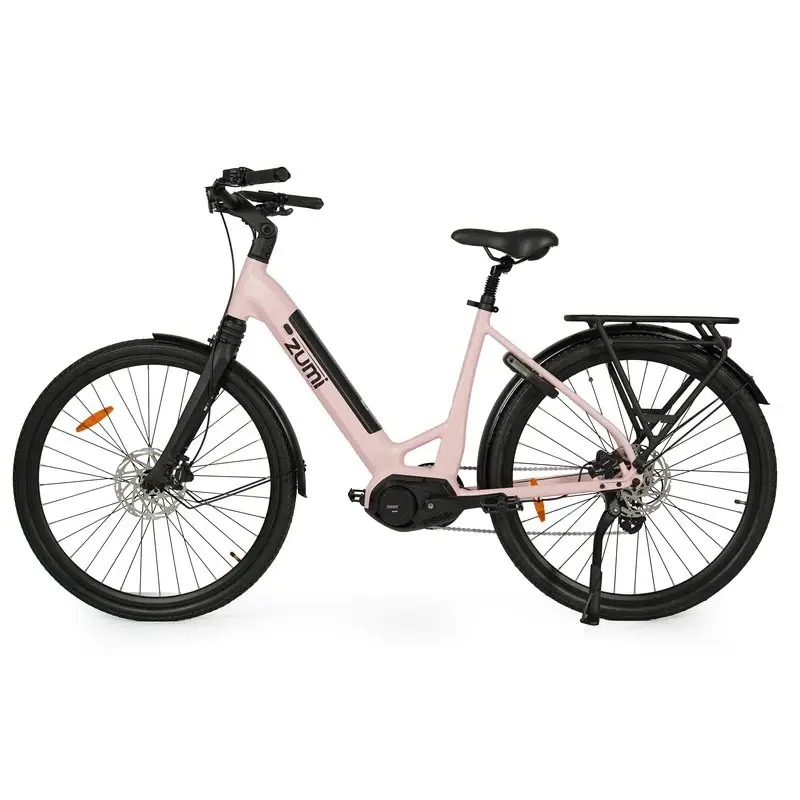
Fix time zones, language gaps, and unclear protocols—boost speed, cut costs, and scale confidently.
2026/08/03
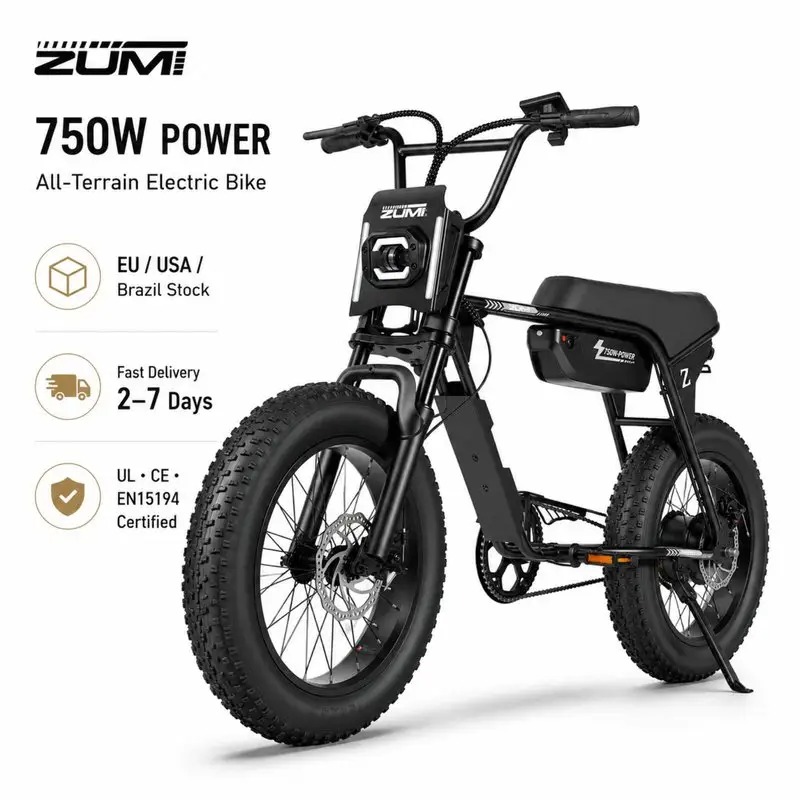
Avoid liability & import bans: Learn IEC 62619, UN 38.3, and UL 2271—plus how to verify real compliance (not fakes).
2026/08/03
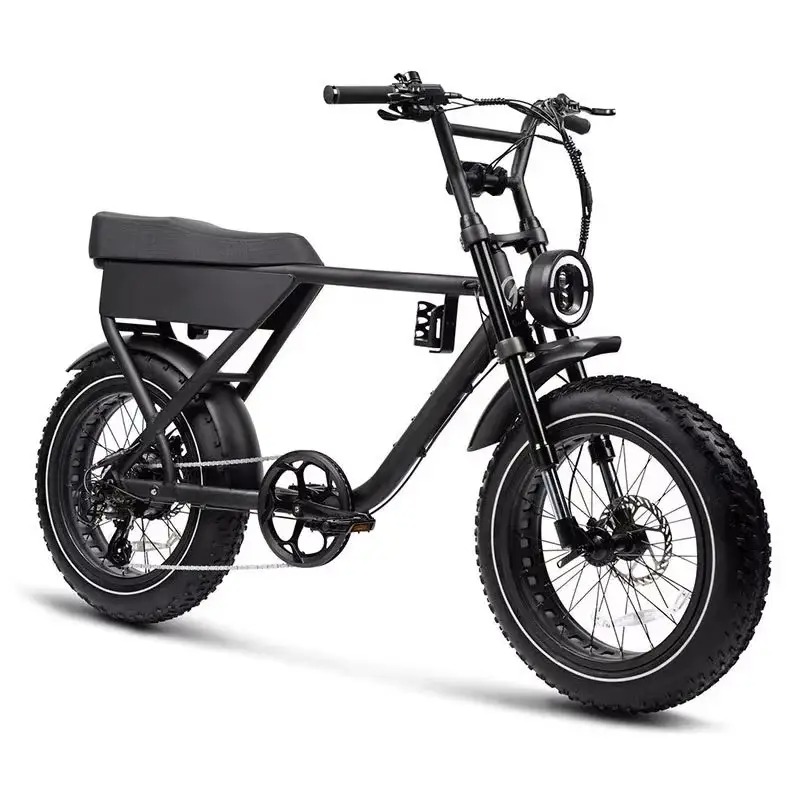
Learn precise air pressure, rebound & compression tuning for optimal suspension performance. Get pro-level setup tips now.
2026/08/03
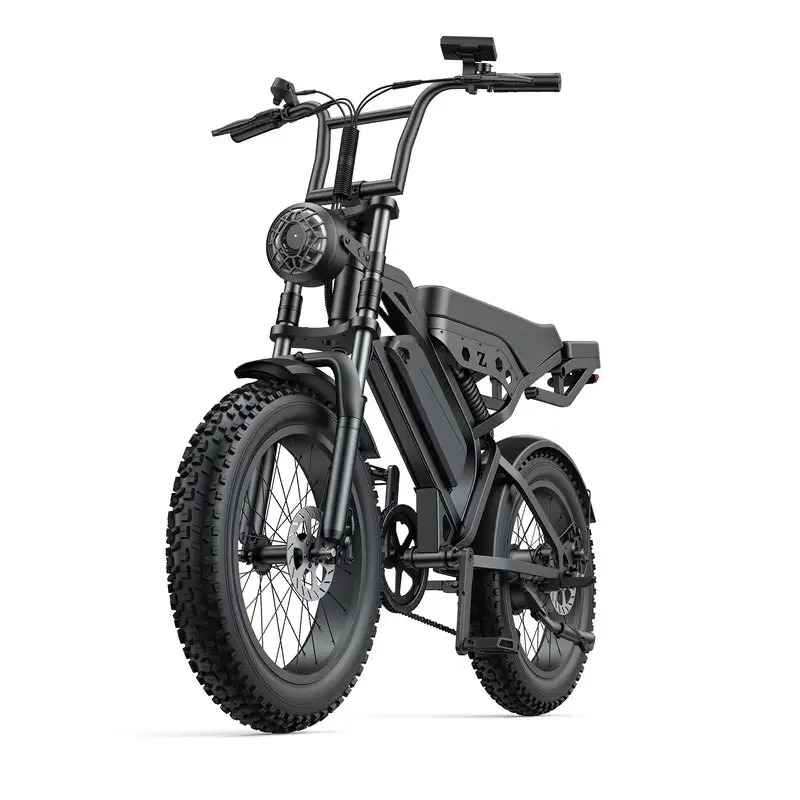
Discover how voltage drop saps performance—and proven fixes to restore responsiveness, range, and battery life. Read now.
2026/08/03
Discover data-backed protocols, smart infrastructure & operational fixes. Optimize now.
2026/08/03
How payload cuts 48V cargo ebike range by 15–50%+ — backed by real-world degradation curves, motor load science & fleet optimization strategies.
Comprehensive warranty, fast parts shipping, remote diagnostics and local dealer training


