 EN
EN
STEP 1
Full vehicle warranty for 2 years
2026/09/03
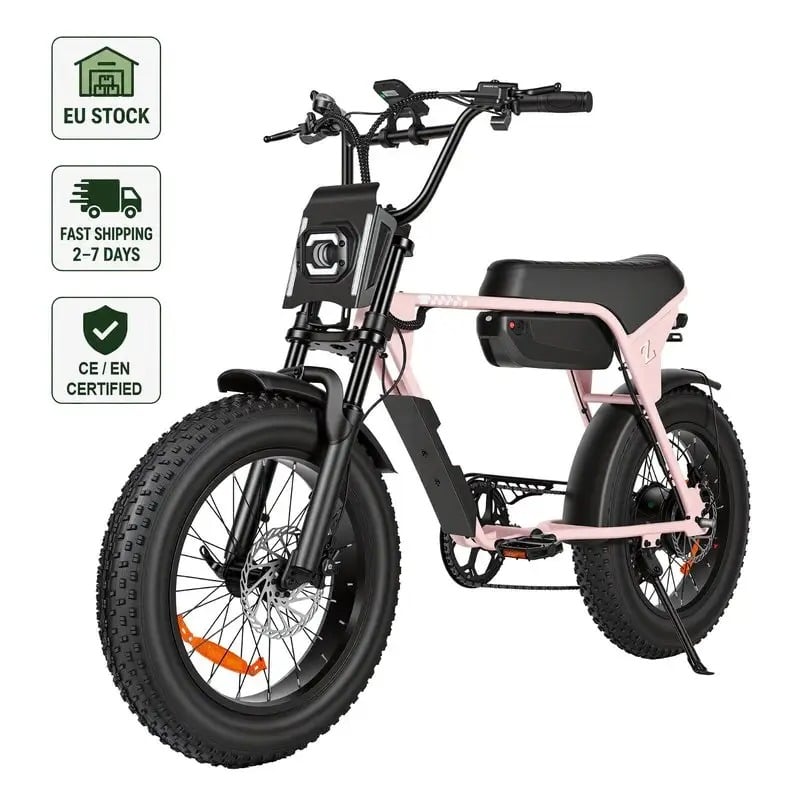
Selecting a reliable ebike manufacturer requires understanding the factory certifications and quality standards that govern production. Factory certifications represent far more than badges on a website; they demonstrate a manufacturer's commitment to safety, environmental responsibility, and consistent quality control. For businesses and consumers alike, these certifications provide assurance that an ebike has been produced under rigorous oversight and meets international performance benchmarks. The most credible ebikes manufacturers invest heavily in obtaining and maintaining multiple certifications across safety, environmental compliance, and manufacturing excellence.
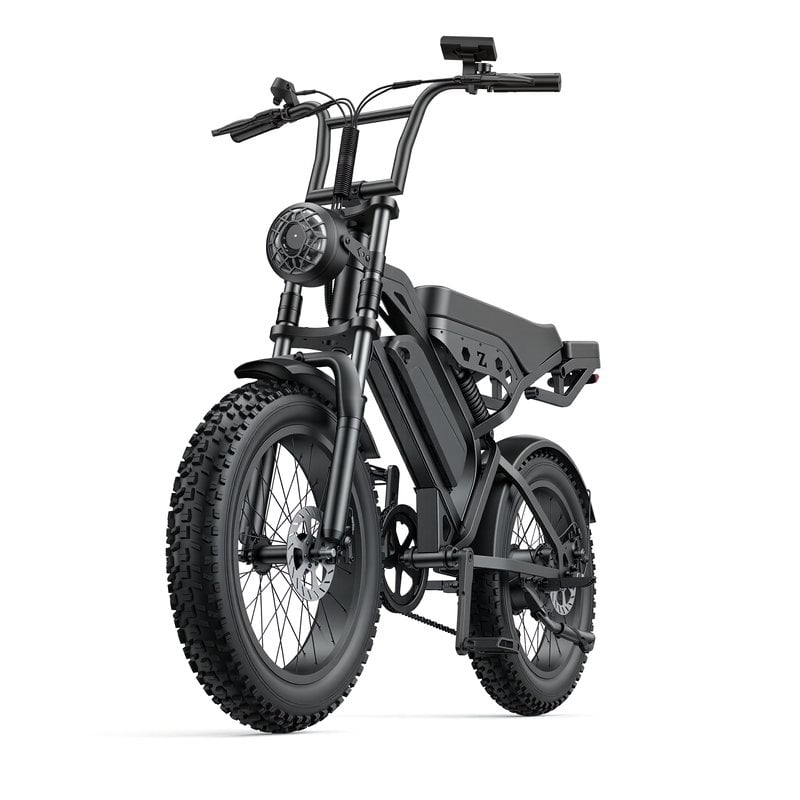
Understanding factory certifications helps buyers differentiate between genuine quality producers and those merely claiming compliance. An e bike maker operating in today's market faces certification requirements across multiple domains: electrical safety standards, battery performance protocols, structural integrity testing, and environmental impact assessments. Chinese electric bicycle manufacturers, in particular, have significantly raised their certification standards over the past decade, with many now pursuing ISO certifications, CE markings for European markets, and UL approvals for North American distribution. These certifications protect end users while establishing which ebikes manufacturers operate with transparency and accountability throughout their supply chains.
Every responsible e bicycle manufacturer must comply with electrical safety standards that govern battery integration, motor performance, and charging systems. The EN 15194 standard, adopted across European markets, specifies exact requirements for electric bicycles, including maximum motor output, torque limitations, and safety disconnection protocols. Battery certifications such as IEC 62619 ensure that lithium-ion cells meet thermal stability and fire safety thresholds. An e bike maker that holds these certifications demonstrates that their electrical architecture has undergone independent laboratory testing and continuous quality audits. These certifications directly impact consumer safety, as faulty battery management systems or improper motor integration represent the highest-risk failure modes in electric bicycle operation.
Beyond electrical systems, certified ebikes manufacturers must validate frame strength, brake performance, and drivetrain durability through standardized mechanical testing protocols. The ISO 4210 series establishes bicycle safety requirements that apply equally to electric and conventional models, covering fork strength, wheel trueness, spoke tension, and brake stopping distances. Chinese electric bicycle manufacturers increasingly submit their designs to these rigorous mechanical tests, recognizing that structural failures undermine market credibility and create liability exposure. An e bike maker that publishes test reports demonstrating pass rates across ISO standards communicates a commitment to user safety that extends far beyond marketing claims.
Beyond product-specific certifications, many ebikes manufacturers pursue ISO 9001 accreditation to formalize quality management systems across their entire production workflow. ISO 9001 requires documented procedures for supplier qualification, production monitoring, testing protocols, and continuous improvement mechanisms. An e bike maker with active ISO 9001 certification operates under third-party audits that verify these systems function as documented. This certification signals that the manufacturer has invested in training, process standardization, and data-driven decision-making rather than relying on ad hoc production practices. Chinese electric bicycle manufacturers operating at scale increasingly recognize that ISO 9001 compliance enables them to compete in premium market segments where buyers demand consistency and traceability.
Manufacturing certifications also encompass supply chain management and component traceability requirements that ensure every part in an ebike meets specification standards. Certified ebikes manufacturers maintain detailed documentation of supplier approvals, incoming component inspection records, and batch traceability systems. This traceability becomes critical when issues emerge with specific battery lots or motor batches, allowing manufacturers to conduct targeted recalls rather than disrupting entire product lines. An e bike maker with robust supply chain certifications can demonstrate that component quality remains consistent across production runs and geographic markets. This level of accountability distinguishes leading manufacturers from those operating with minimal oversight.
Increasingly, ebike manufacturer certifications extend to environmental impact and sustainability practices that address battery recycling, manufacturing emissions, and packaging waste reduction. The EPEAT and similar environmental product declaration standards now influence procurement decisions among government agencies and corporate fleet operators. Chinese electric bicycle manufacturers face particular scrutiny regarding battery disposal and manufacturing emissions, making environmental certifications a strategic differentiator for those seeking to enter premium markets. An e bike maker with environmental certifications demonstrates commitment to responsible production practices that align with global climate objectives and regulatory trajectories. These certifications often require verified third-party audits of manufacturing facilities and documented waste management protocols.
Different geographic markets impose distinct certification requirements that certified ebikes manufacturers must navigate to gain market access. European markets require CE marking and adherence to multiple directives spanning electrical safety, electromagnetic compatibility, and mechanical safety. North American distribution demands UL approval for battery and charger systems, along with compliance with local electrical codes. Asian markets increasingly require local certifications and safety approvals before retail distribution. An e bike maker seeking global reach must maintain parallel certification tracks across multiple standards bodies, a complexity that separates established manufacturers from smaller producers. This certification infrastructure investment demonstrates serious commitment to serving international customers with products that meet local regulatory expectations.
Buyers should prioritize certifications indicating electrical safety compliance with EN 15194 or equivalent standards, battery safety under IEC 62619, and mechanical safety per ISO 4210 requirements. An ebike manufacturer that publishes third-party test reports for these standards demonstrates transparency. Additionally, ISO 9001 certification from the manufacturing facility provides assurance that quality management systems extend beyond individual products to encompass the entire production process.
Established ebikes manufacturers typically hold multiple concurrent certifications across safety, environmental, and quality management domains, while emerging e bike makers may focus on essential electrical and mechanical certifications first. Chinese electric bicycle manufacturers at scale increasingly match established competitors in certification breadth, though regional variations persist. The key distinction often lies in third-party audit frequency and manufacturing process transparency rather than certification quantity alone.
In many jurisdictions, selling electric bicycles without relevant certifications exposes manufacturers to regulatory penalties and liability risk, making certifications essential rather than optional. An e bicycle manufacturer competing in regulated markets must maintain active certifications to maintain legal market access. However, unregulated markets may allow uncertified sales, which creates consumer safety risks and establishes compliance as a competitive advantage for certified producers.
2026/08/03
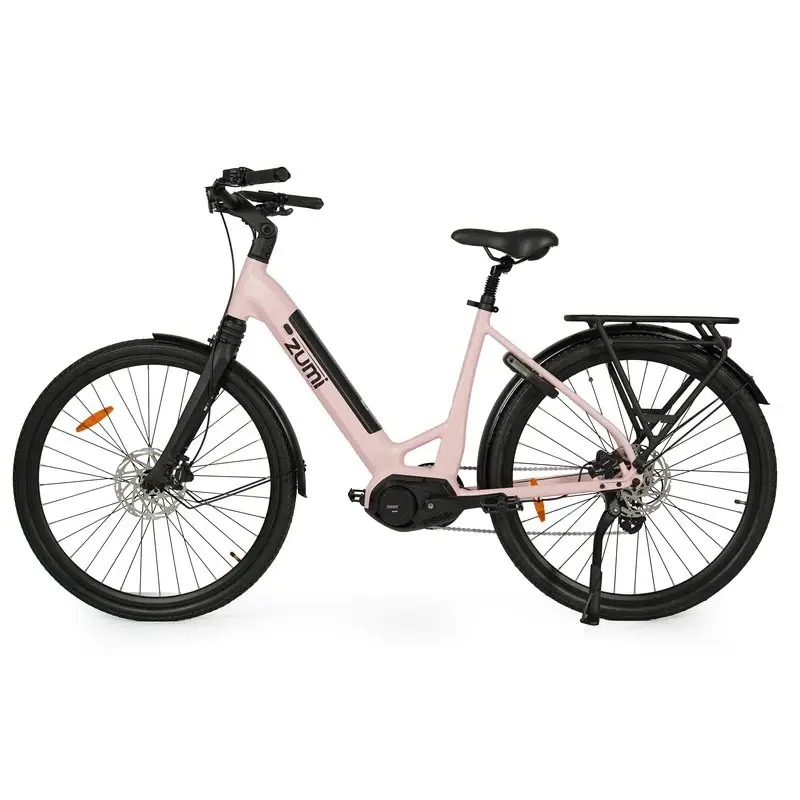
Fix time zones, language gaps, and unclear protocols—boost speed, cut costs, and scale confidently.
2026/08/03
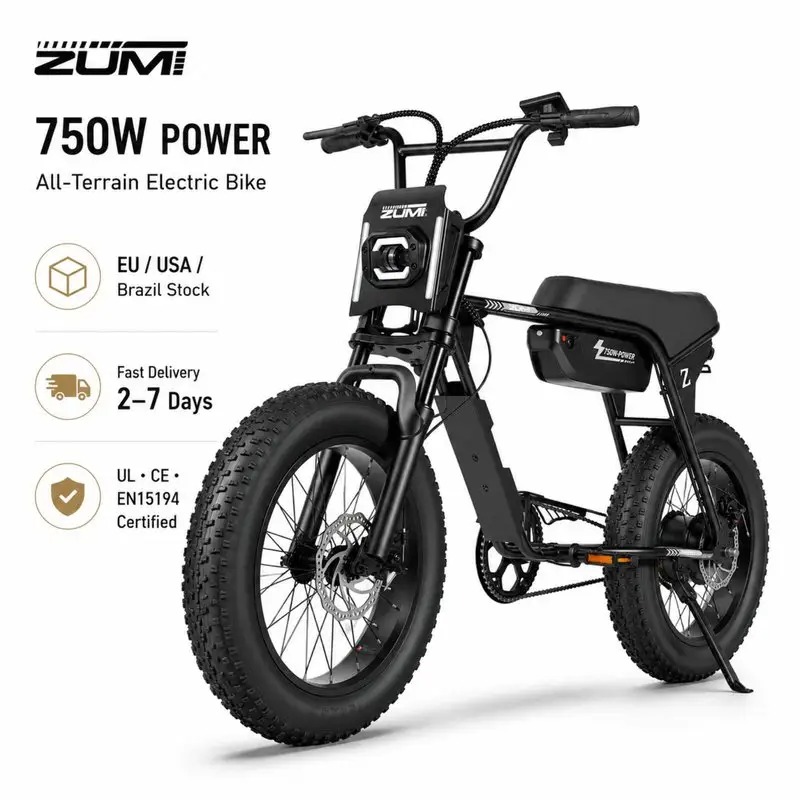
Avoid liability & import bans: Learn IEC 62619, UN 38.3, and UL 2271—plus how to verify real compliance (not fakes).
2026/08/03
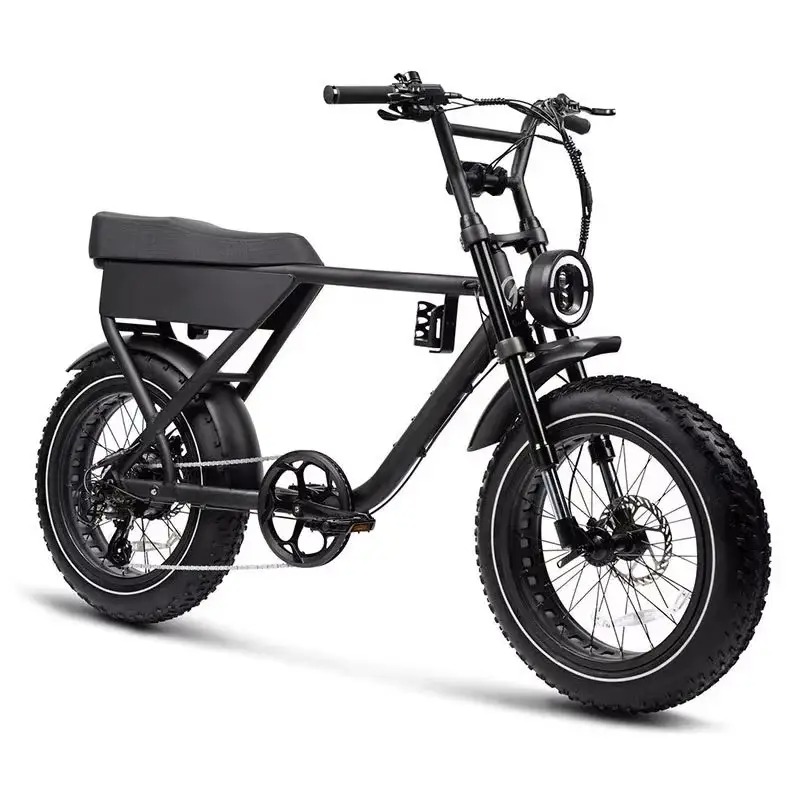
Learn precise air pressure, rebound & compression tuning for optimal suspension performance. Get pro-level setup tips now.
2026/08/03
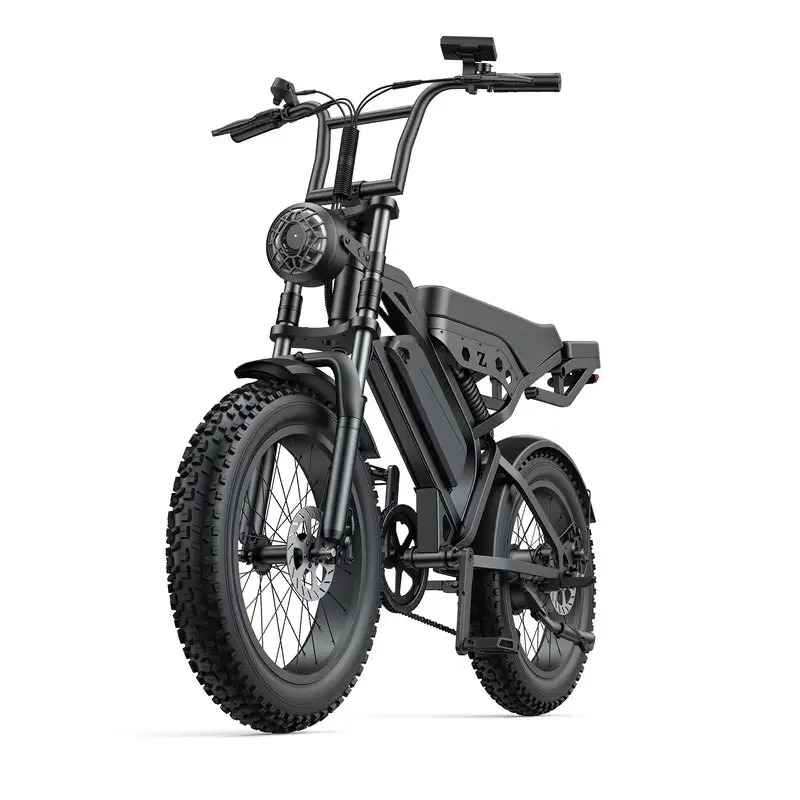
Discover how voltage drop saps performance—and proven fixes to restore responsiveness, range, and battery life. Read now.
2026/08/03
Discover data-backed protocols, smart infrastructure & operational fixes. Optimize now.
2026/08/03
How payload cuts 48V cargo ebike range by 15–50%+ — backed by real-world degradation curves, motor load science & fleet optimization strategies.
Comprehensive warranty, fast parts shipping, remote diagnostics and local dealer training


