 EN
EN
STEP 1
Full vehicle warranty for 2 years
2026/08/03
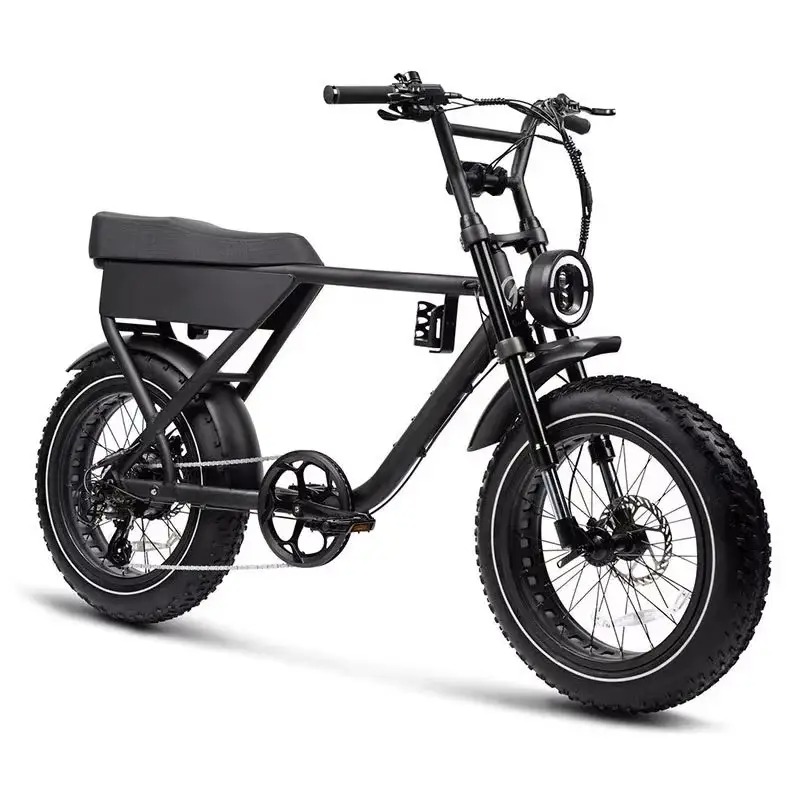
Understanding lead times for custom made e bikes is essential for fleet operators and businesses planning to integrate electric bicycles into their operations. Lead time refers to the period between placing an order and receiving the finished product, and for custom ebike projects, this timeline can vary significantly based on multiple interconnected factors. Businesses frequently underestimate how long custom e bike production actually takes, leading to missed deployment windows and operational delays. Getting this right from the start helps ensure your fleet arrives on schedule and matches your exact specifications.
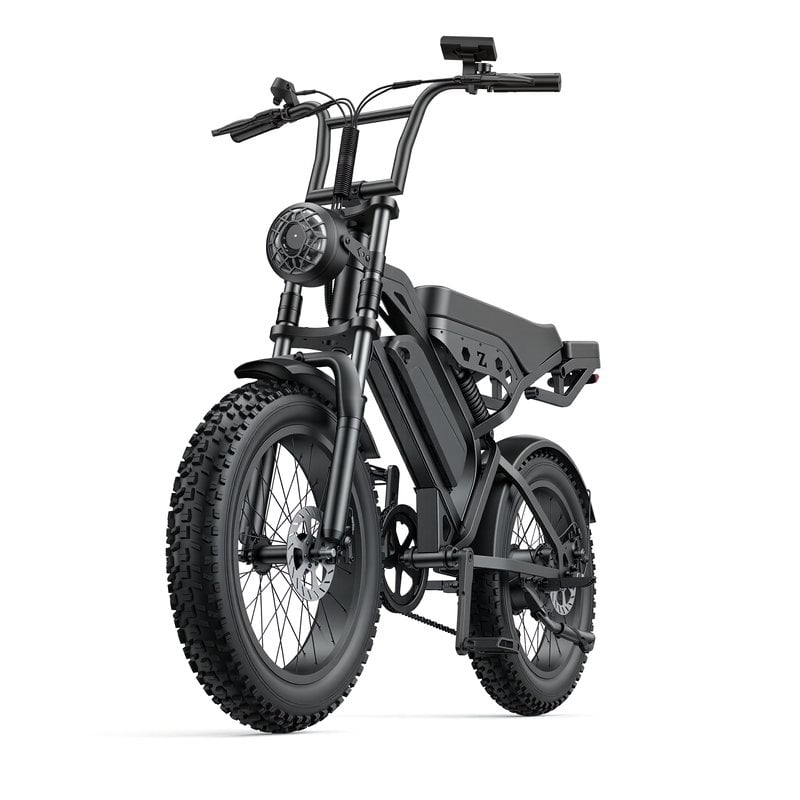
When working with an ebike manufacturer or ebike builder, multiple stages influence the total delivery timeframe. These stages include design finalization, component sourcing, assembly, quality testing, and logistics. Each stage presents its own challenges and dependencies that affect the overall schedule. By understanding these factors upfront, fleet managers can develop realistic timelines, communicate effectively with suppliers, and avoid costly production conflicts.
The complexity of your custom ebike design directly impacts lead time. When you work with an ebike builder to create bikes tailored to your fleet needs, every modification adds layers of engineering and testing. Simple color changes or minor component swaps typically add two to four weeks to production. However, custom frame geometries, proprietary electrical systems, or unique drivetrain configurations can extend timelines by eight to twelve weeks or more.
Design revisions during the planning phase are another critical factor. If stakeholders request changes after initial engineering approval, the ebike manufacturer must re-evaluate structural integrity, electrical compatibility, and safety compliance. Each revision cycle typically adds one to three weeks. Locking in final specifications early prevents these delays and keeps your custom made e bikes project on track for your fleet deployment date.
Custom ebike projects often involve integrating specialized components such as fleet management software, telematics systems, or proprietary battery packs. When an ebike builder must source and integrate non-standard components, lead time extends significantly. Standard off-the-shelf battery packs can be installed quickly, but custom battery configurations with specific voltage, capacity, or form factors require additional testing and certification. This integration work typically adds four to eight weeks to your total timeline.
The compatibility testing phase is equally important. An ebike manufacturer needs to verify that custom components work seamlessly with existing systems, which requires bench testing, field trials, and documentation. This validation step is non-negotiable for fleet safety and reliability but adds measurable time to the production schedule.
An ebike builder depends on a network of component suppliers for motors, batteries, controllers, frames, and electronics. Lead times for custom made e bikes are heavily influenced by supplier lead times for these critical parts. Major component suppliers often operate with their own lead times ranging from six to sixteen weeks for orders outside standard catalogs. If your custom ebike requires multiple specialized suppliers, these timelines compound, potentially adding three to six months to your project schedule.
Geographic sourcing also plays a role. Ebike manufacturers sourcing components from multiple countries face customs clearance, shipping variability, and port congestion. A single delayed shipment of a critical motor or battery pack can cascade through the entire production schedule. Reliable ebike builders maintain buffer inventory of common components but may need extended lead time for truly custom or specialized parts.
Market demand cycles significantly affect how quickly an ebike manufacturer can fulfill custom orders. During high-demand seasons, component suppliers prioritize standard orders and may extend lead times for custom requests. If your fleet custom made e bikes project falls during peak season, expect an additional two to four weeks. Conversely, ordering during slower periods may yield slightly faster turnaround, though quality should never be compromised for speed.
Supply chain disruptions such as semiconductor shortages, shipping delays, or material shortages create unpredictable delays. An experienced ebike builder maintains transparency about current supply conditions and provides realistic timelines based on real-time supplier data. Building a two to four week contingency buffer into your project timeline protects against these external factors.
Once all components arrive, the ebike manufacturer begins assembly and integration work. For standard production models, assembly typically takes one to two weeks. However, custom ebike builds require more time because each unit is often produced to unique specifications. An ebike builder must hand-assemble frames, integrate custom wiring harnesses, calibrate unique drivetrain setups, and verify all custom systems function properly. This personalized approach typically adds two to four weeks to the manufacturing timeline.
The assembly team must also document every step of your custom made e bikes production, particularly if your fleet has specific compliance or warranty requirements. This documentation adds administrative time but ensures accountability and traceability for your entire fleet. Quality-focused ebike builders prioritize this step even though it extends lead time slightly.
Before custom ebike units ship to your fleet, they must pass rigorous testing protocols. An ebike manufacturer typically conducts mechanical testing, electrical safety checks, battery performance validation, and real-world riding tests. For standard models, this phase takes one to two weeks. For custom configurations, especially those with proprietary systems or unusual specifications, testing can require three to five weeks. Each unit must prove it meets safety standards, performance targets, and your specific operational requirements.
Regulatory compliance adds another layer. Depending on your deployment region, custom made e bikes may require certification from transportation authorities, electrical safety boards, or environmental agencies. These external certifications can add two to six weeks beyond internal quality testing. An ebike builder experienced in multi-region deployments understands these requirements and factors them into lead time estimates upfront.
Typical lead times for custom made e bikes range from sixteen to twenty-four weeks from order placement to delivery, depending on customization complexity and component availability. Standard configurations with minor customizations may complete in twelve to sixteen weeks, while highly specialized custom ebike projects with proprietary systems can extend to thirty weeks or longer. An experienced ebike builder provides a detailed timeline breakdown that accounts for design, sourcing, manufacturing, testing, and logistics phases specific to your fleet requirements.
To minimize lead time, finalize your specifications early and avoid mid-project changes, as each revision cycle adds weeks to production. Work with an ebike manufacturer that stocks common components and maintains supplier relationships for faster component availability. Consider selecting from a builder's existing custom ebike platform designs rather than building entirely from scratch. Clear communication about your deadline helps the ebike builder prioritize your project and suggest faster alternatives that still meet your fleet needs.
Component sourcing and availability typically have the greatest impact on lead time for custom made e bikes. Custom battery packs, specialized motors, and non-standard electronics can add eight to sixteen weeks alone. Design complexity and the extent of integration testing required come second, potentially adding six to twelve weeks. Supply chain disruptions and regulatory certification timelines also create significant delays. An ebike manufacturer should transparently communicate which factors apply to your specific project so you can plan accordingly.
2026/08/03
Fix time zones, language gaps, and unclear protocols—boost speed, cut costs, and scale confidently.
2026/08/03
Avoid liability & import bans: Learn IEC 62619, UN 38.3, and UL 2271—plus how to verify real compliance (not fakes).
2026/08/03
Learn precise air pressure, rebound & compression tuning for optimal suspension performance. Get pro-level setup tips now.
2026/08/03
Discover how voltage drop saps performance—and proven fixes to restore responsiveness, range, and battery life. Read now.
2026/08/03
Discover data-backed protocols, smart infrastructure & operational fixes. Optimize now.
2026/08/03
How payload cuts 48V cargo ebike range by 15–50%+ — backed by real-world degradation curves, motor load science & fleet optimization strategies.
Comprehensive warranty, fast parts shipping, remote diagnostics and local dealer training


