 EN
EN
STEP 1
Full vehicle warranty for 2 years
2026/08/04
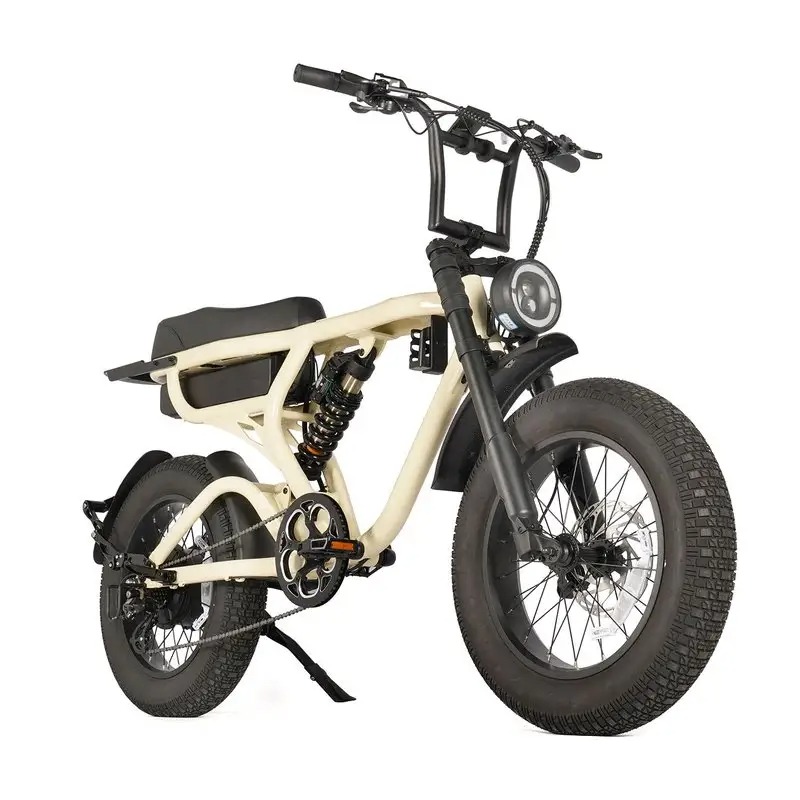
Tooling costs represent one of the most significant financial considerations when launching an OEM electric bike product line. These expenses directly influence production capacity, unit economics, and the viability of entering the competitive ebike market. Understanding the scope and impact of tooling investments is essential for manufacturers, distributors, and stakeholders evaluating OEM ebike manufacturing decisions. Tooling encompasses the specialized equipment, molds, fixtures, and machinery required to produce electric bike frames, motor assemblies, battery housings, and electrical components at scale.
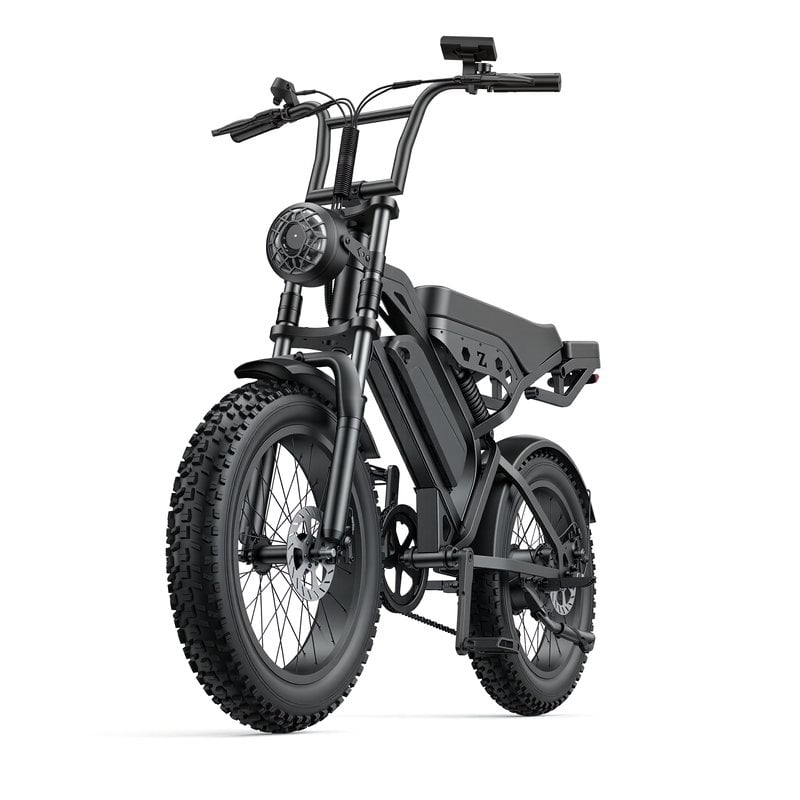
The financial burden of tooling extends beyond initial equipment purchase, affecting long-term profitability and market competitiveness. An ebike factory must invest heavily in stamping dies, welding fixtures, battery enclosure molds, and motor housing tooling before producing a single commercial unit. For an OEM electric bike manufacturer, these upfront costs can range from hundreds of thousands to millions of dollars depending on production volume targets, design complexity, and material specifications. This article explores the critical factors that determine tooling expenses, how different manufacturing approaches influence total investment, and strategies for managing these costs effectively.
The bicycle frame represents the foundation of any OEM electric bike design and requires substantial tooling investment. An ebike manufacturer must create specialized dies and fixtures for aluminum or steel tubing if using tube-and-joint construction, or invest in large injection molds for monocoque carbon fiber frames. Each frame geometry variant—whether full suspension, hardtail, or cargo configurations—requires separate tooling. An ebike factory producing multiple frame sizes or designs must multiply these costs proportionally, with aluminum stamping dies alone costing $50,000 to $200,000 depending on complexity.
Electric motors and drivetrain components demand precision manufacturing and represent a substantial portion of OEM ebike tooling costs. Hub motor housings, rotor laminations, and stator windings require custom tooling for magnetic assembly and precision tolerances. Mid-drive systems necessitate specialized fixtures for motor integration into the frame, along with custom chainring and sprocket tooling. An ebike factory must also invest in gearing and transmission system molds. These motor-specific tooling requirements often exceed $300,000 to $500,000 for medium-volume production scenarios in an OEM electric bike operation.
Battery enclosures and pack assembly systems constitute critical OEM electric bike tooling expenses. Custom injection molds for battery housings, connector plates, and thermal management components add significant cost to an ebike manufacturer's upfront investment. An ebike factory must develop tooling for cell arrangement fixtures, busbar formations, and protective casing components. If designing proprietary battery management systems, additional circuit board tooling, connector molds, and assembly fixtures become necessary. Battery-related tooling for an OEM ebike operation typically ranges from $150,000 to $400,000, depending on whether the manufacturer integrates cells internally or sources pre-assembled packs.
The control systems, connectors, and wiring harnesses of an OEM electric bike require specialized manufacturing tooling. An ebike manufacturer needs custom fixtures for sensor integration, connector assembly jigs, and waterproof sealing processes. Proprietary controller housings and display panel tooling add to the overall expense. An ebike factory investing in vertical integration of electrical components must also account for printed circuit board fabrication dies and connector mold costs. These electrical tooling investments typically represent $100,000 to $250,000 of total OEM ebike production setup expenses.
Tooling costs per unit decrease dramatically as OEM electric bike production volume increases, making volume projections critical to financial planning. An ebike manufacturer planning 5,000 units annually faces different tooling requirements than one targeting 50,000 units. High-volume OEM ebike operations may justify investing in progressive dies, automated assembly fixtures, and fully integrated manufacturing lines, whereas lower-volume ebike factory operations might select more flexible, lower-cost tooling. Understanding break-even volume thresholds helps stakeholders determine when specific tooling investments become financially justified in an OEM electric bike business model.
Material selection directly impacts OEM electric bike tooling costs and production feasibility. Aluminum frame tooling differs significantly from carbon fiber or steel approaches, with each material requiring distinct manufacturing processes and fixture designs. An ebike manufacturer selecting advanced materials like carbon fiber composites incurs substantially higher tooling costs than one using standard aluminum, potentially adding $300,000 or more to an ebike factory's initial investment. Complex suspension geometries, integrated electronics, and aesthetic customization features all increase OEM ebike tooling expenses. Manufacturers must balance design innovation aspirations against tooling cost realities when planning product specifications.
Developing modular component platforms reduces the total tooling investment required for an OEM electric bike manufacturer. By designing frame, motor, and battery systems with standardized connection interfaces, an ebike factory can share tooling across multiple product variants without proportional cost increases. An OEM electric bike manufacturer using common frame geometries with swappable motor and battery configurations requires less specialized tooling than one developing unique solutions for each model. Platform-based approaches allow an ebike factory to amortize tooling costs across broader product portfolios, directly improving per-unit economics and accelerating return on tooling investment.
Strategic partnerships with component suppliers can significantly reduce OEM electric bike tooling burdens. Rather than investing in complete vertical integration, an ebike manufacturer might source pre-designed motor housings, battery enclosures, or controller systems from specialized suppliers, eliminating redundant tooling costs. An ebike factory can focus internal tooling investment on differentiated frame geometry and aesthetic elements while outsourcing standardized electrical and mechanical components. This selective tooling approach is particularly valuable for emerging OEM ebike manufacturers with limited capital, enabling faster market entry and more efficient resource allocation. Collaborating with established supply partners allows an ebike factory to access proven designs and shared tooling infrastructure.
Phased manufacturing approaches allow an OEM electric bike manufacturer to spread tooling costs across production phases while validating market demand. Initial production might utilize lower-cost, flexible tooling or hand-assembly processes to launch an OEM ebike product with minimal upfront investment. As market validation confirms demand, an ebike manufacturer can progressively invest in higher-speed, specialized tooling that improves efficiency and reduces per-unit costs. An ebike factory implementing this strategy accepts higher initial per-unit production costs in exchange for reduced financial risk and improved market responsiveness. Progressive tooling also accommodates design refinements based on field performance data before committing to large-scale, specialized manufacturing infrastructure.
Frame tooling and motor assembly tooling typically represent the largest expense categories for an OEM ebike operation, often consuming 40-50% of total tooling investment. These critical components require precision manufacturing and specialized fixtures that support the mechanical performance and reliability of the OEM electric bike. An ebike factory must ensure frame tooling accommodates motor integration, suspension geometry, and structural requirements, while motor tooling requires high-precision tolerances and thermal management considerations.
An ebike factory achieves return on tooling investment faster with higher production volumes, as fixed tooling costs are distributed across more units. An OEM electric bike manufacturer producing 10,000 units annually might amortize tooling costs within 1-2 years, while lower-volume operations require 3-5 years to break even. Understanding the relationship between production volume and tooling cost recovery is essential for long-term financial planning and capital allocation decisions in OEM ebike manufacturing.
Yes, strategic outsourcing significantly reduces OEM ebike tooling requirements while maintaining product quality and differentiation. An ebike factory can source standardized motors, controllers, and battery systems from established suppliers, eliminating redundant tooling investments. This approach allows an OEM electric bike manufacturer to concentrate internal tooling on proprietary frame designs, aesthetic elements, and integration processes that differentiate their product in the market. The oem electric bike approach combining selective outsourcing with targeted internal manufacturing often delivers superior capital efficiency compared to full vertical integration.
2026/08/03
Fix time zones, language gaps, and unclear protocols—boost speed, cut costs, and scale confidently.
2026/08/03
Avoid liability & import bans: Learn IEC 62619, UN 38.3, and UL 2271—plus how to verify real compliance (not fakes).
2026/08/03
Learn precise air pressure, rebound & compression tuning for optimal suspension performance. Get pro-level setup tips now.
2026/08/03
Discover how voltage drop saps performance—and proven fixes to restore responsiveness, range, and battery life. Read now.
2026/08/03
Discover data-backed protocols, smart infrastructure & operational fixes. Optimize now.
2026/08/03
How payload cuts 48V cargo ebike range by 15–50%+ — backed by real-world degradation curves, motor load science & fleet optimization strategies.
Comprehensive warranty, fast parts shipping, remote diagnostics and local dealer training


