 EN
EN
STEP 1
Full vehicle warranty for 2 years
2026/09/07
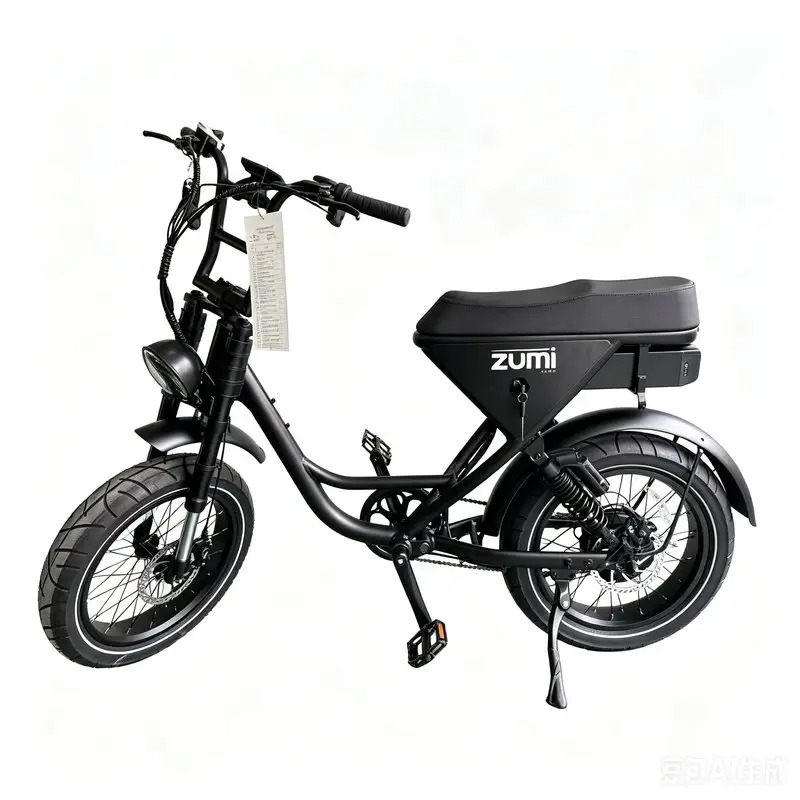
Understanding tooling costs is essential for anyone considering entry into the custom electric bike market. When custom electric bike builders plan to manufacture frames, tooling expenses represent a significant upfront investment that directly impacts production viability and long-term profitability. Tooling costs encompass the machinery, molds, dies, and manufacturing equipment required to produce frames at scale, and these expenses vary dramatically based on design complexity, material selection, and production volume.
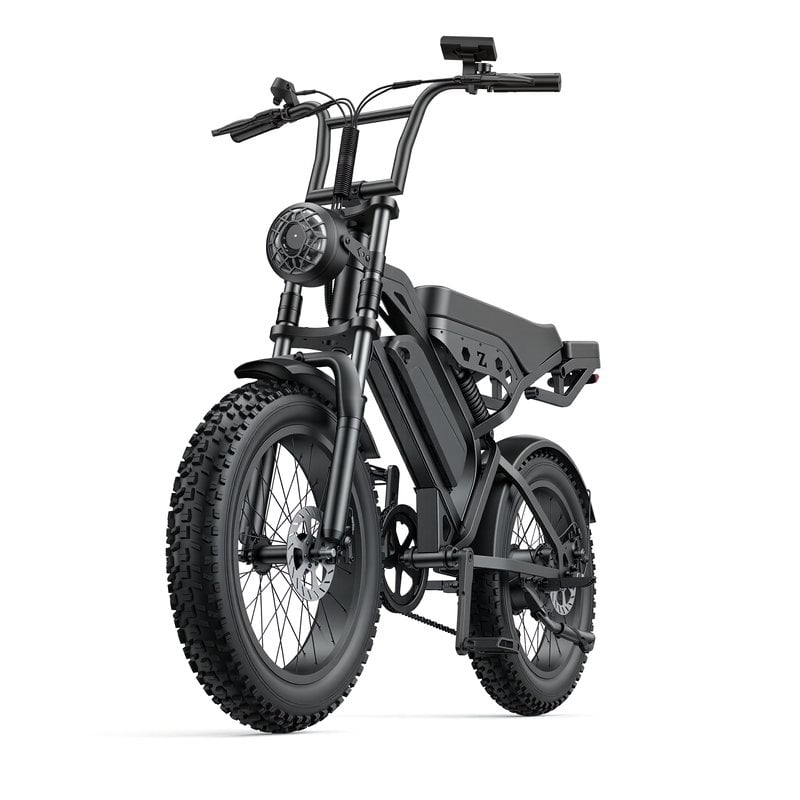
For custom made e bikes manufacturers, tooling investment determines whether a frame design can reach market affordably and profitably. An e bike manufacturing company must carefully evaluate tooling requirements before committing resources to production. The relationship between tooling costs, production volume, and unit pricing creates a critical decision point for manufacturers deciding whether to proceed with frame customization or adopt existing designs.
The foundation of tooling costs begins with frame design translation into production-ready molds and dies. When custom electric bike builders develop proprietary frame geometry, they must invest in precision mold creation, which can range from tens of thousands to hundreds of thousands of dollars depending on material and complexity. Aluminum frames require different tooling approaches than carbon fiber or steel construction, and each material demands specialized equipment and expertise. The OEM electric bike manufacturers typically spend between 50,000 and 300,000 USD on mold development alone, depending on whether they pursue single-cavity or multi-cavity molds that enable faster production cycles.
Beyond mold costs, custom made e bikes production requires manufacturing equipment investment such as welding stations, hydraulic presses, painting booths, and quality control measurement systems. An e bike manufacturing company must establish complete production lines capable of handling frame fabrication, welding, heat treatment if applicable, surface finishing, and assembly. For smaller manufacturers targeting specific niches, equipment costs can exceed 500,000 USD when establishing a complete facility from scratch. Alternatively, contract manufacturing arrangements allow companies to share equipment costs across multiple products, reducing individual tooling burden for businesses unable to justify standalone infrastructure.
Tooling costs create a significant fixed expense that must be amortized across production units. Custom electric bike builders must analyze how many frames they realistically will produce to determine whether tooling investment makes financial sense. If an e bike manufacturing company invests 150,000 USD in tooling, producing only 500 units yields 300 USD per-unit tooling cost, whereas producing 5,000 units reduces this to 30 USD per unit. This dramatic difference explains why custom made e bikes manufacturers often establish minimum order quantities and production commitments before initiating tooling investment. Electronic bicycle suppliers typically pursue economies of scale aggressively, pushing production volumes to justify fixed tooling expenses.
Tooling modifications introduce substantial additional expenses if design changes become necessary after initial production runs begin. Custom electric bike builders who discover frame geometry issues or durability concerns mid-production face expensive retooling costs that can reach 30 to 60 percent of original mold investment. An e bike manufacturing company must invest heavily in prototype testing and design validation before committing to final tooling, as modifications prove far more expensive than upfront development. This reality drives custom made e bikes manufacturers to conduct extensive computational analysis, prototype testing, and market validation before authorizing tooling production, ensuring designs meet performance and durability requirements before incurring irreversible costs.
Aluminum frames dominate the custom made e bikes market due to their balance of cost, performance, and manufacturing flexibility. For custom electric bike builders, aluminum frame tooling typically costs less than carbon fiber alternatives while enabling rapid production. An e bike manufacturing company pursuing aluminum construction invests in casting molds, CNC machining fixtures, and welding fixtures that support automated and semi-automated production. Aluminum's malleability allows design modifications with less severe tooling penalties compared to carbon fiber, making it attractive for manufacturers iterating on designs or responding to market feedback. Electronic bicycle suppliers frequently standardize aluminum frame production to distribute tooling costs efficiently across large production batches.
Custom electric bike builders considering carbon fiber construction must accept substantially higher tooling investment and longer lead times. Carbon fiber frame production requires specialized mold development, autoclave equipment, and quality control systems that increase total capital requirements significantly. An e bike manufacturing company pursuing carbon fiber must invest 300,000 to 800,000 USD in comprehensive tooling infrastructure, making this option viable only for manufacturers committed to substantial production volumes or premium market positioning. Custom made e bikes using carbon fiber command higher retail prices that justify elevated tooling costs, but only when production volume supports equipment depreciation and operational efficiency. This material choice filters the competitive landscape toward well-funded manufacturers with proven market demand and distribution channels.
Sophisticated custom electric bike builders employ phased tooling strategies that distribute investment across time and market validation milestones. Instead of committing to full-scale tooling immediately, manufacturers may invest in prototype or pilot production tools that support smaller initial volumes while validating market demand and production processes. An e bike manufacturing company can then justify larger production molds once sales data confirms market viability, reducing financial risk significantly. Modular frame design approaches allow manufacturers to share common tube sections and components across multiple models, enabling custom made e bikes production that amortizes tooling across broader product portfolios. This strategy proves especially valuable for electronic bicycle suppliers operating in competitive markets where rapid model proliferation attracts diverse customer segments without proportional tooling multiplication.
Many custom electric bike builders partner with established contract manufacturers rather than developing proprietary tooling in-house. Contract manufacturers operate shared facilities and maintain extensive tool libraries that allow custom made e bikes to reach production without enormous upfront investment. An e bike manufacturing company gains access to experienced production teams, quality systems, and established supply chains while avoiding the capital commitment and operational complexity of standalone manufacturing. This approach works particularly well for emerging brands or companies targeting niche market segments where production volumes cannot justify dedicated tooling infrastructure. Electronic bicycle suppliers increasingly adopt hybrid models combining proprietary custom work with contract manufacturing for standard components, optimizing tooling investment across their product lines.
Tooling costs for custom made e bikes typically range from 50,000 to 500,000 USD depending on frame material, design complexity, and production volume targets. Aluminum frame tooling generally costs 50,000 to 200,000 USD, while carbon fiber construction pushes costs to 300,000 to 800,000 USD. Custom electric bike builders must also consider equipment, facility setup, and quality control infrastructure, which can exceed mold costs substantially. The specific investment depends heavily on whether manufacturers establish dedicated facilities or partner with contract manufacturers through shared tooling arrangements.
Production volume directly determines whether tooling investment generates acceptable return on investment for an e bike manufacturing company. Higher volumes distribute fixed tooling costs across more units, reducing per-unit tooling expense dramatically. Custom made e bikes manufacturers typically need minimum volumes of 1,000 to 5,000 units annually to justify dedicated tooling investment. Below these thresholds, contract manufacturing or shared tooling becomes more economical than proprietary production infrastructure. Electronic bicycle suppliers analyze breakeven points carefully, ensuring projected sales volumes support tooling costs before committing to manufacturing expansion.
Design modifications after tooling production begins incur substantial additional expenses ranging from 30 to 60 percent of original tooling investment for custom electric bike builders. An e bike manufacturing company must invest extensively in prototype validation and market testing before authorizing final tooling to avoid expensive retooling scenarios. Minor modifications might require localized tool adjustments costing 5,000 to 20,000 USD, while major frame geometry changes necessitate complete retooling. Custom made e bikes manufacturers prioritize comprehensive design validation and testing protocols upfront, as post-production changes prove far more expensive than thorough development planning. This reality drives electronic bicycle suppliers to conduct rigorous analysis before tooling commitment.
2026/08/03
Fix time zones, language gaps, and unclear protocols—boost speed, cut costs, and scale confidently.
2026/08/03
Avoid liability & import bans: Learn IEC 62619, UN 38.3, and UL 2271—plus how to verify real compliance (not fakes).
2026/08/03
Learn precise air pressure, rebound & compression tuning for optimal suspension performance. Get pro-level setup tips now.
2026/08/03
Discover how voltage drop saps performance—and proven fixes to restore responsiveness, range, and battery life. Read now.
2026/08/03
Discover data-backed protocols, smart infrastructure & operational fixes. Optimize now.
2026/08/03
How payload cuts 48V cargo ebike range by 15–50%+ — backed by real-world degradation curves, motor load science & fleet optimization strategies.
Comprehensive warranty, fast parts shipping, remote diagnostics and local dealer training


