 EN
EN

STEP 1
Full vehicle warranty for 2 years
2026/08/18
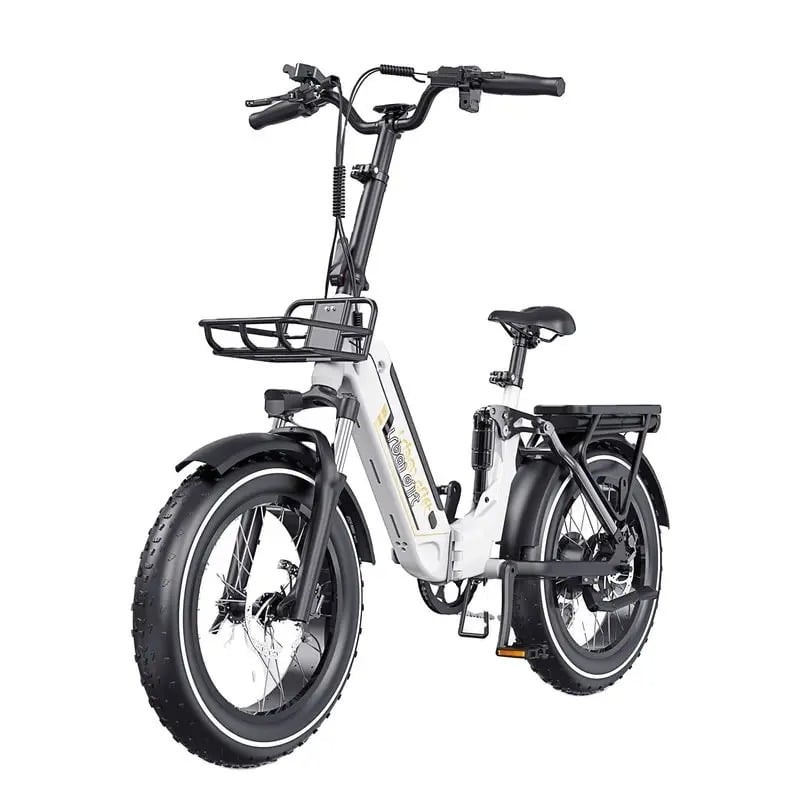
Torque sensors have become a critical component in modern all terrain electric bike systems, fundamentally changing how riders experience power delivery and energy efficiency. These intelligent devices measure the force applied to the pedals in real time, allowing the motor to provide proportional assistance that matches the rider's effort. For anyone investing in an all terrain ebikes system, understanding how torque sensors work and why they matter can significantly enhance your riding experience and help you make informed decisions about electric mountain bike technology.
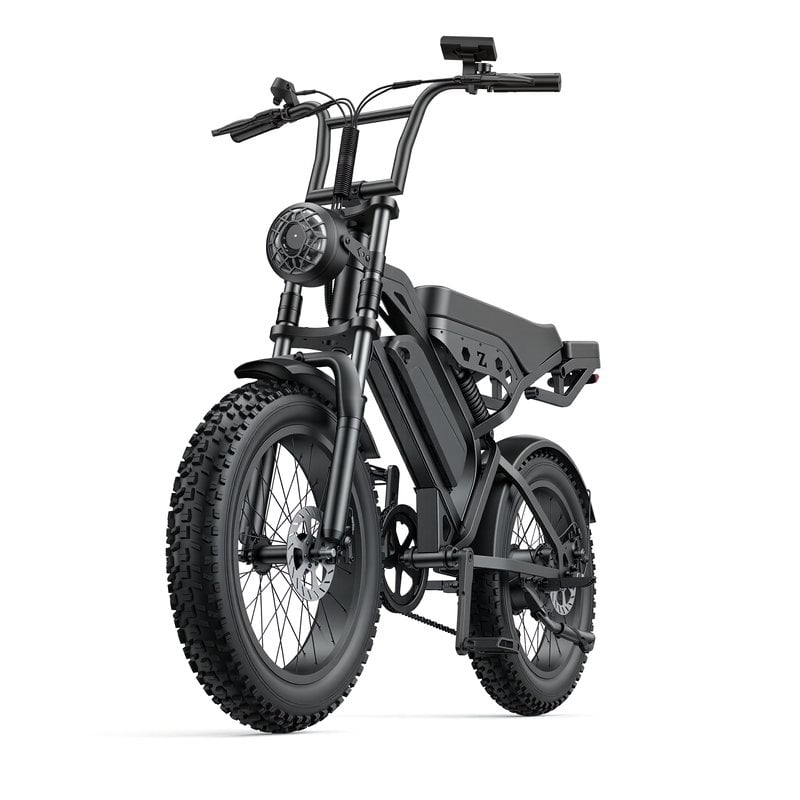
The integration of torque sensing technology transforms the riding dynamics of an all terrain electric bike by creating a seamless interaction between human power and motor support. Unlike simple pedal-assist systems that provide fixed power levels, torque-sensing all terrain fat tire electric bike models adapt instantly to changing terrain and riding conditions. This responsiveness makes them particularly valuable for demanding off-road environments where riders face varied inclines, obstacles, and surface conditions that require constant adjustment in assistance levels.
Torque sensors operate through strain gauge technology, where sensors detect the slight deformation of the crank axle as pedal force is applied. This mechanical deformation generates an electrical signal proportional to the force being exerted. In all terrain ebikes, specialized controllers process this signal within milliseconds, calculating the exact level of motor assistance needed. The entire system creates a feedback loop where the all terrain electric mountain bike motor scales its output to match the rider's input, delivering assistance that feels intuitive and responsive.
The sensor placement on the crank axle allows precise measurement across the entire pedal stroke, capturing real-time variations in force application. As terrain becomes steeper or more technical, riders naturally increase their pedal pressure, and the all terrain fat tire electric bike motor responds by increasing assistance proportionally. This direct correlation between human effort and motor output eliminates the delays or over-assistance that riders experience with non-torque-sensing systems.
Modern all terrain electric bike systems use advanced algorithms to interpret torque sensor data and optimize motor performance. The controller combines torque measurements with speed data, battery voltage, and power limits to deliver optimal assistance without sacrificing efficiency or safety. For all terrain ebikes enthusiasts, this means smoother acceleration, more natural pedaling feel, and better battery range because the system never wastes energy delivering unnecessary power.
The integration process requires precise calibration during manufacturing to ensure the all terrain electric mountain bike responds accurately across all torque ranges. Quality control during production directly affects how well the system performs on rough terrain, steep climbs, and technical descents. Systems with well-calibrated torque sensors provide immediate power when needed while minimizing strain on drivetrain components.
One of the primary advantages of torque sensors in all terrain ebikes is dramatically improved energy efficiency compared to cadence-based systems. Because the motor only provides assistance proportional to rider effort, energy is never wasted on unnecessary support during easy sections or flat terrain. When climbing steep grades on an all terrain fat tire electric bike, the torque sensor ensures maximum assistance precisely when needed, while easier sections consume minimal battery power. This intelligent energy management extends overall range by 15 to 25 percent compared to fixed-power systems.
Riders of all terrain electric mountain bike models report longer ride times and the ability to tackle longer routes without range anxiety. The efficiency gains become increasingly valuable during multi-hour off-road adventures where battery conservation determines whether you complete your planned route. By matching assistance to actual pedal input, torque-sensing all terrain ebikes reduce battery drain during steady-state riding and low-effort sections.
Technical off-road environments demand precise control that only torque sensors can deliver. When navigating obstacles, loose terrain, or steep descents on an all terrain electric bike, riders need responsive power delivery that won't cause wheel slip or instability. Torque sensors enable this precision by providing assistance that scales instantly with pedal pressure, allowing riders to modulate their input for perfect traction control.
The responsive nature of all terrain fat tire electric bike torque systems means riders can navigate technical sections with confidence, knowing the motor will amplify their efforts without overdriving the wheels. This responsiveness particularly benefits riders tackling challenging all terrain electric mountain bike trails where maintaining traction is essential for safety and control. The system's ability to scale assistance from zero to maximum within milliseconds creates a riding experience that feels almost like an extension of the rider's body.
Torque sensors contribute to longer component lifespan in all terrain ebikes by preventing the harsh power spikes that occur with non-torque-sensing systems. Fixed-power assistance often causes sudden motor engagement that stresses chains, derailleurs, cassettes, and crank bearings. In contrast, all terrain electric bike torque systems ramp power smoothly in proportion to rider input, reducing shock loads on every drivetrain component. This gentler power delivery extends the service life of expensive parts like derailleurs and cassettes.
All terrain fat tire electric bike riders benefit from reduced maintenance intervals because the drivetrain experiences less stress during normal operation. The all terrain electric mountain bike torque sensor approach preserves component integrity especially during technical riding where rapid power changes would otherwise cause shifting delays and chain wear. Riders report fewer dropped chains, smoother shifting, and longer intervals between chain replacements when using torque-sensing all terrain ebikes.
Quality torque sensors built for all terrain electric bike applications use sealed bearing cartridges that resist moisture and contamination common in off-road environments. The crank axle housing protects sensor elements from mud, water, and impact, ensuring consistent performance throughout the riding season. Manufacturers of all terrain fat tire electric bike systems invest in durable sensor designs because system reliability directly affects customer satisfaction and brand reputation.
All terrain ebikes with well-designed torque sensors maintain consistent performance for thousands of miles of off-road use. The all terrain electric mountain bike systems employing premium sensor technology rarely experience calibration drift or sensor failure compared to entry-level models. Investing in systems with proven sensor reliability ensures your all terrain electric bike will deliver consistent, responsive power delivery across multiple seasons of demanding use.
Torque sensors measure actual rider effort and deliver proportional motor assistance, while cadence sensors simply detect pedal rotation speed and provide fixed power levels. For all terrain ebikes on technical terrain, this responsiveness is crucial because riders need precise control that adapts instantly to changing conditions. Torque-sensing all terrain electric mountain bike systems prevent over-assistance and wheel slip, while delivering efficient energy usage that extends battery range significantly compared to cadence-based all terrain fat tire electric bike models.
All terrain electric bike torque sensors eliminate wasted energy by delivering assistance only proportional to rider input, never providing unnecessary power during easy sections. On all terrain ebikes, this intelligent scaling conserves battery energy during flat terrain and light-effort riding, preserving capacity for demanding climbs and technical sections. The efficiency improvements from torque-sensing all terrain electric mountain bike systems typically extend range by 15 to 25 percent, allowing riders to tackle longer all terrain fat tire electric bike routes on a single charge.
Yes, all terrain electric bike torque sensors excel in technical environments because they scale assistance instantly with pedal pressure, enabling precise traction control impossible with fixed-power systems. All terrain ebikes equipped with quality torque sensors respond within milliseconds to rider input, allowing confident navigation of obstacles, loose terrain, and steep sections. The all terrain electric mountain bike systems utilizing torque sensing technology are specifically engineered for all terrain fat tire electric bike riding, where technical control and responsive performance are essential for safety and enjoyment.
2026/08/03
Fix time zones, language gaps, and unclear protocols—boost speed, cut costs, and scale confidently.
2026/08/03
Avoid liability & import bans: Learn IEC 62619, UN 38.3, and UL 2271—plus how to verify real compliance (not fakes).
2026/08/03
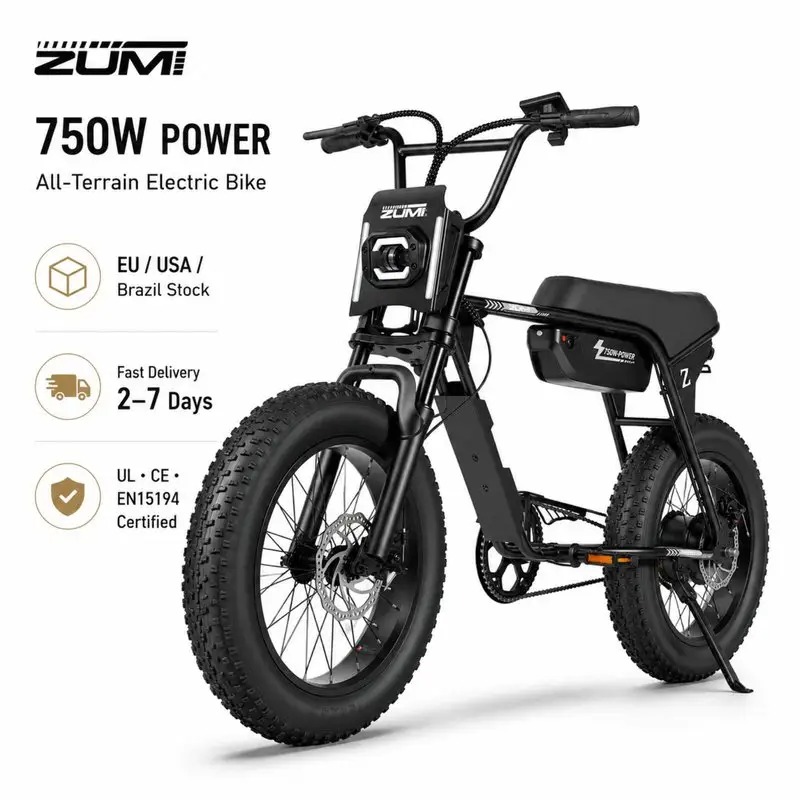
Learn precise air pressure, rebound & compression tuning for optimal suspension performance. Get pro-level setup tips now.
2026/08/03
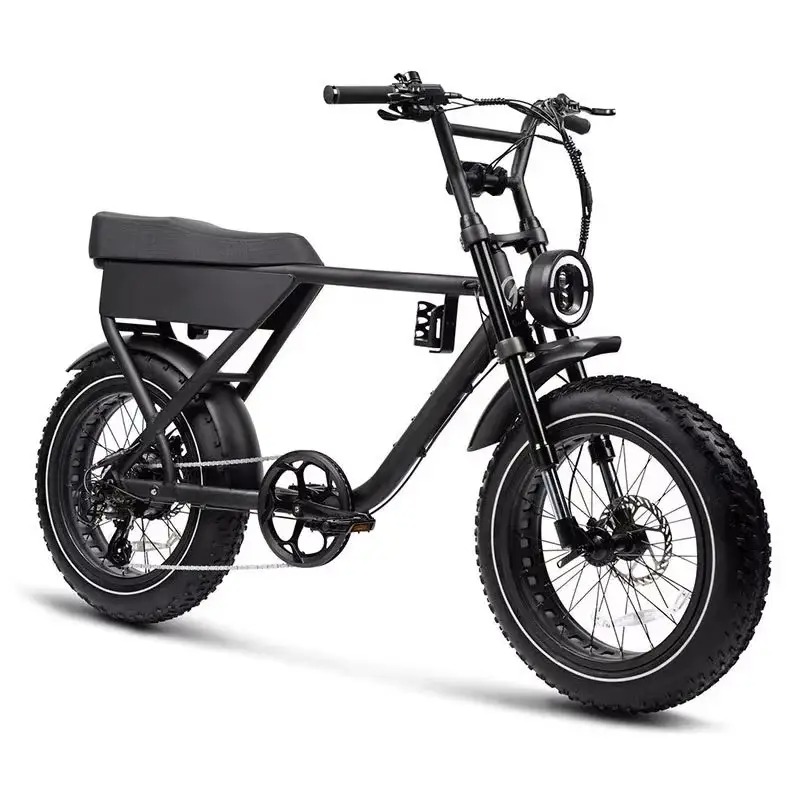
Discover how voltage drop saps performance—and proven fixes to restore responsiveness, range, and battery life. Read now.
2026/08/03
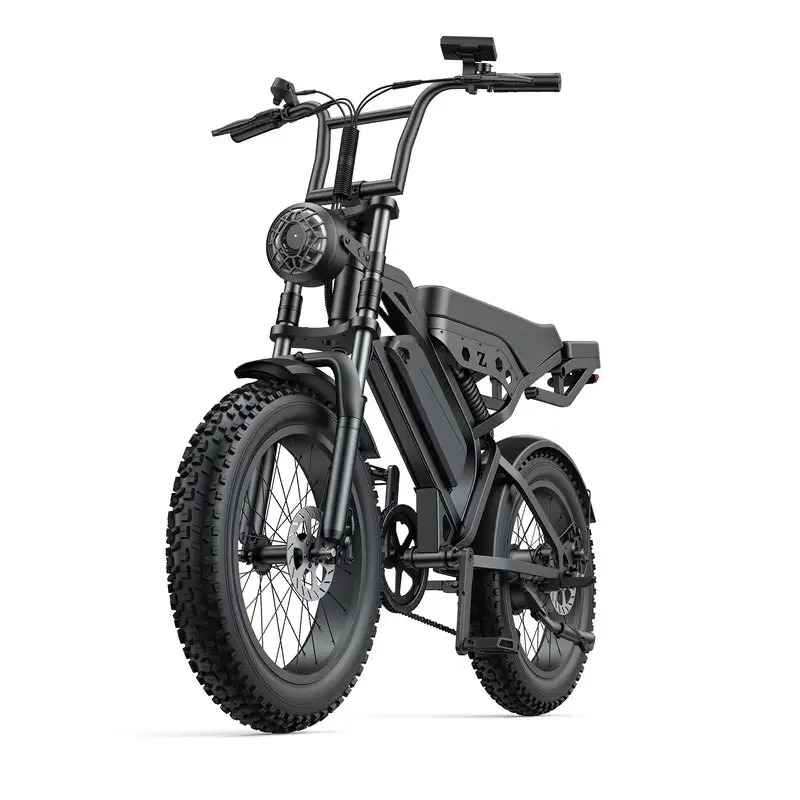
Discover data-backed protocols, smart infrastructure & operational fixes. Optimize now.
2026/08/03
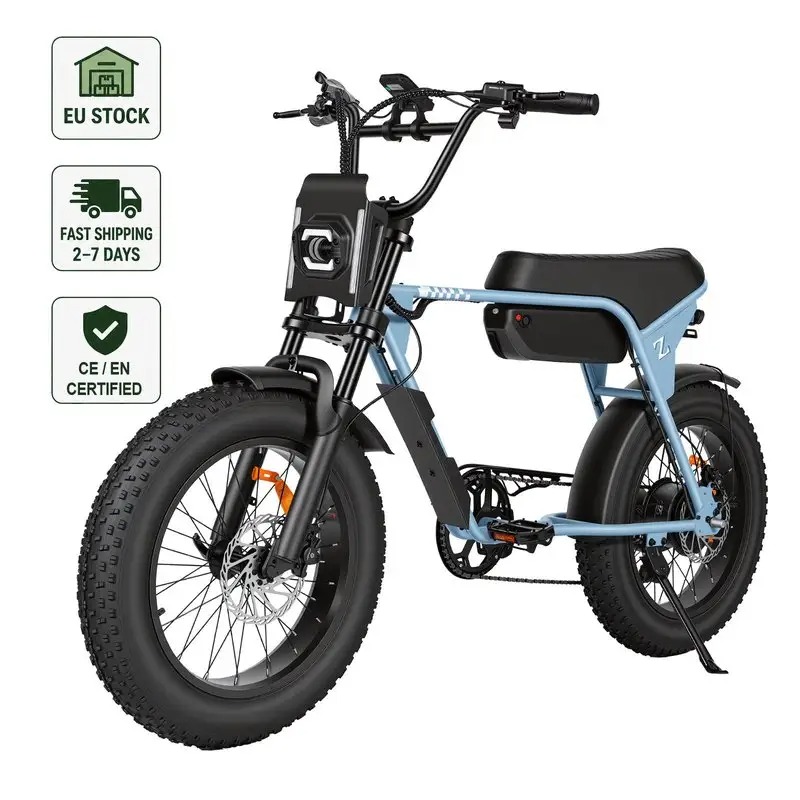
How payload cuts 48V cargo ebike range by 15–50%+ — backed by real-world degradation curves, motor load science & fleet optimization strategies.
Comprehensive warranty, fast parts shipping, remote diagnostics and local dealer training


