 EN
EN
STEP 1
Full vehicle warranty for 2 years
2026/08/28
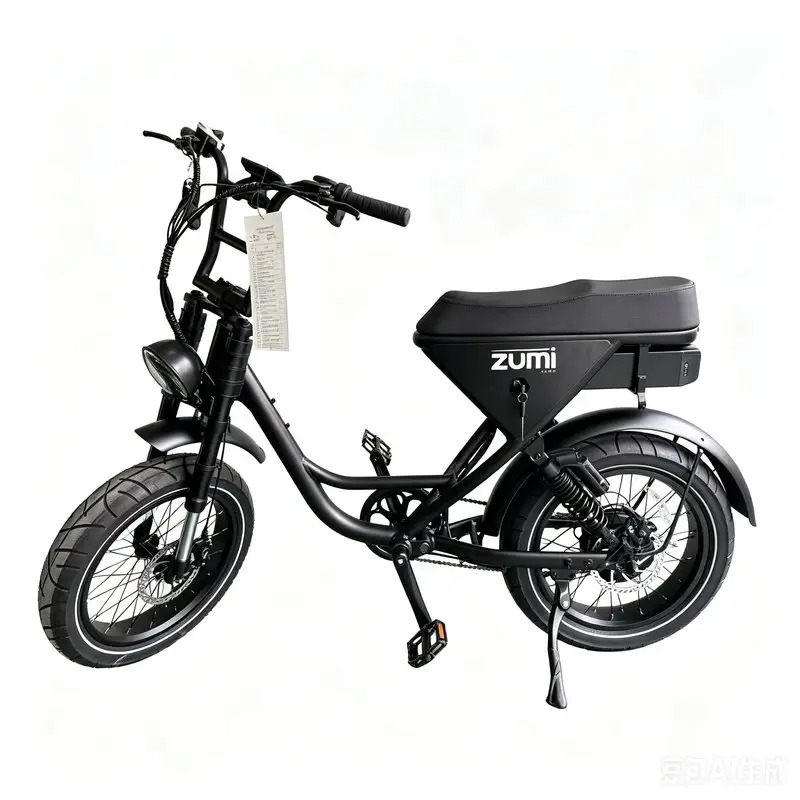
Weld quality directly determines the structural integrity and longevity of any fat tire electric bike. When examining a China fat tire ebike, understanding weld tolerances becomes essential to assessing frame durability, rider safety, and overall build quality. Weld tolerances refer to the acceptable variations in weld bead dimensions, penetration depth, and alignment that manufacturers maintain during production. These specifications ensure that frame joints remain strong enough to withstand the stresses imposed by motor torque, rider weight, and uneven terrain. A fat tire electric bike relies on robust welding because the frame must support significantly higher loads than conventional bicycles, particularly with dual-motor systems or high-capacity battery packs.
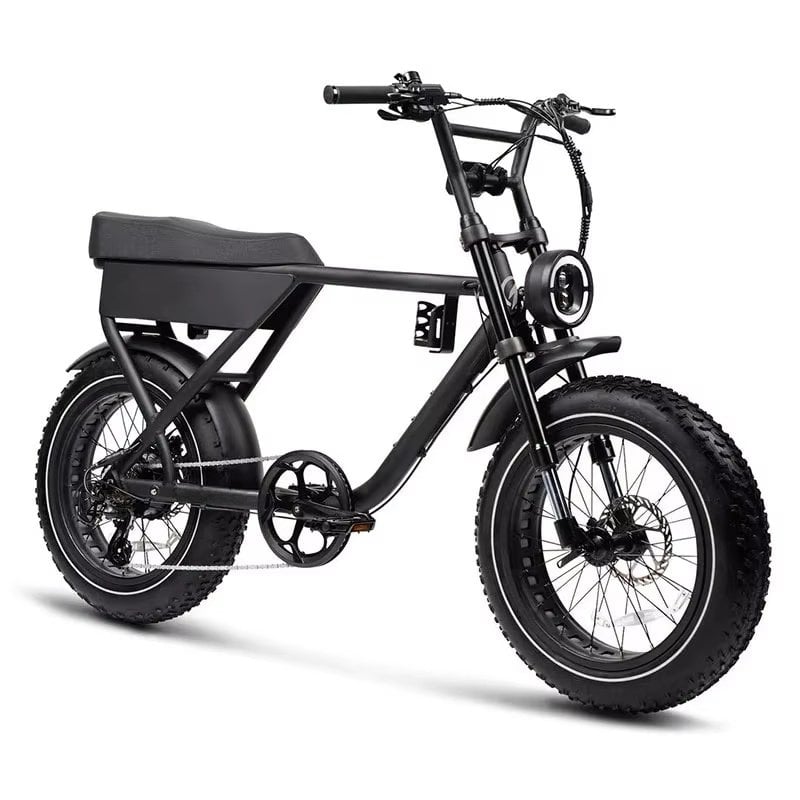
The manufacturing landscape for fat tire ebike production in China varies significantly across facilities. Premium manufacturers implement strict welding protocols and use advanced quality control equipment, while budget-oriented producers may prioritize speed over precision. A chinese ebike purchaser should recognize that weld tolerances directly correlate with price point, brand reputation, and expected lifespan. Understanding these tolerances helps buyers differentiate between durable frames that will serve reliably for years and cheaper alternatives prone to premature structural failure. This knowledge becomes particularly valuable when comparing models, evaluating warranty terms, and planning maintenance schedules.
Weld tolerances in fat tire electric bike manufacturing follow industry standards that define acceptable ranges for bead width, height, undercut depth, and overall alignment. Common measurement points include the fusion zone depth, which should penetrate fully through the joint without burn-through, and the bead profile, which must maintain consistent geometry along the entire weld line. For a chinese ebike frame, typical tolerance ranges might allow variations of plus or minus 0.5 to 2 millimeters depending on the joint type and manufacturer specification. Critical load-bearing welds on the head tube, seat tube junction, and motor mounting points demand tighter tolerances than secondary structural elements. Quality assurance teams use both visual inspection and ultrasonic testing to verify that welds meet specification before frames leave the factory.
Manufacturing centers across different Chinese provinces maintain varying tolerance standards. Southern facilities often employ more automated welding systems that produce tighter tolerances, while northern producers may use semi-manual processes with wider acceptable ranges. Fat tire ebike frames produced in established industrial hubs typically exhibit superior weld consistency compared to newer manufacturing regions. When researching a fat tire electric bike model, identifying the production facility and its certification history provides insight into probable weld quality. Established manufacturers often publish tolerance specifications in technical documentation, whereas lesser-known producers may not disclose this information publicly. Recognizing these regional differences helps buyers assess the reliability expectations for specific models.
Weld tolerances directly influence how effectively a frame distributes stress from motor torque, suspension movement, and riding forces. Tight tolerances ensure uniform load paths through the frame structure, preventing stress concentration at weld zones. A China fat tire ebike with inconsistent weld geometry may develop fatigue cracks at joints even within warranty periods if the frame encounters aggressive riding or rough terrain. High-quality welds that meet stringent tolerances create frames capable of absorbing impact energy without transferring excessive stress to individual components. Poor weld tolerance control leads to compromised structural integrity, particularly at critical joints like the motor mount or rear suspension attachment points. Testing reveals that fat tire electric bike frames with superior weld consistency demonstrate measurably longer fatigue life and greater riding safety.
Precise weld tolerances minimize voids, porosity, and irregular bead profiles that can introduce vibration into the frame structure. A chinese ebike with well-controlled welding exhibits smoother power delivery and reduced vibration transmission to the rider, particularly at higher motor power levels. Conversely, loose tolerance ranges allow microscopic defects that amplify vibration frequencies, creating a harsh riding experience and accelerating component wear. Fat tire electric bike riders often operate motors at sustained power output, making vibration damping particularly important for comfort during extended rides. The difference between tight and loose tolerance control becomes especially noticeable when traversing rough surfaces where frame stiffness and damping characteristics significantly affect handling and rider fatigue.
Buyers can evaluate China fat tire ebike weld quality through visual inspection of bead consistency, surface finish uniformity, and absence of obvious defects. Quality indicators include continuous bead lines without gaps, even coloration suggesting proper heat control, and smooth transitions at weld termination points. Visible porosity, spatter accumulation, undercut edges, or bead misalignment signal potential tolerance control issues. Many fat tire ebike retailers and manufacturers now provide high-resolution frame photographs or allow pre-purchase inspections for buyers evaluating frame quality. Technical-minded purchasers can request weld test certificates from manufacturers, which document specific tolerance measurements and pass-fail results for sample frames. A chinese ebike producer willing to share detailed weld quality documentation typically demonstrates confidence in manufacturing standards.
Weld tolerance directly correlates with warranty duration and structural coverage terms offered by fat tire electric bike manufacturers. Producers maintaining strict tolerance standards typically offer longer frame warranties, reflecting confidence in durability. Budget-oriented fat tire ebike models often feature limited warranties on frame defects, potentially indicating looser tolerance specifications. When selecting a chinese ebike, comparing warranty terms across models provides indirect insight into manufacturer confidence in weld quality. Extended warranties covering structural defects suggest the manufacturer invests in weld tolerance control and quality processes. Buyers planning to own their fat tire electric bike long-term benefit from prioritizing models with comprehensive frame warranties and transparent quality documentation.
Most fat tire electric bike manufacturers follow ISO welding standards or internal specifications that define acceptable bead width, penetration depth, and alignment variations. Typical tolerance ranges permit variations of 0.5 to 2 millimeters depending on joint type and design requirements. Premium chinese ebike producers often maintain tighter tolerances than industry minimums to ensure superior durability and safety margins.
Examine the frame visually for consistent bead appearance, smooth transitions, and absence of porosity or visible defects. Request weld test certificates from the manufacturer if available, and compare warranty terms across models as an indirect quality indicator. Fat tire ebike retailers should provide high-resolution frame images or allow inspection before purchase to help assess weld quality.
Yes, frames with superior weld quality typically maintain higher resale value and attract more buyers in the used market. A chinese ebike with documented evidence of tight tolerance control and absence of structural defects commands premium prices compared to models showing weld imperfections or durability concerns. Long-term resale value often reflects the initial manufacturing quality and tolerance standards implemented during production.
2026/08/03
Fix time zones, language gaps, and unclear protocols—boost speed, cut costs, and scale confidently.
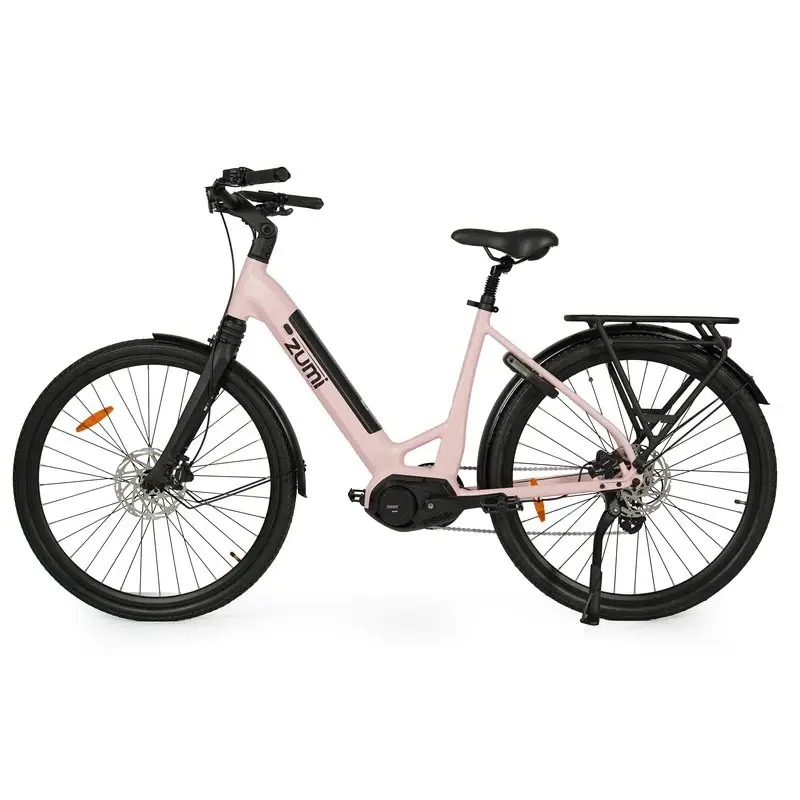
2026/08/03
Avoid liability & import bans: Learn IEC 62619, UN 38.3, and UL 2271—plus how to verify real compliance (not fakes).
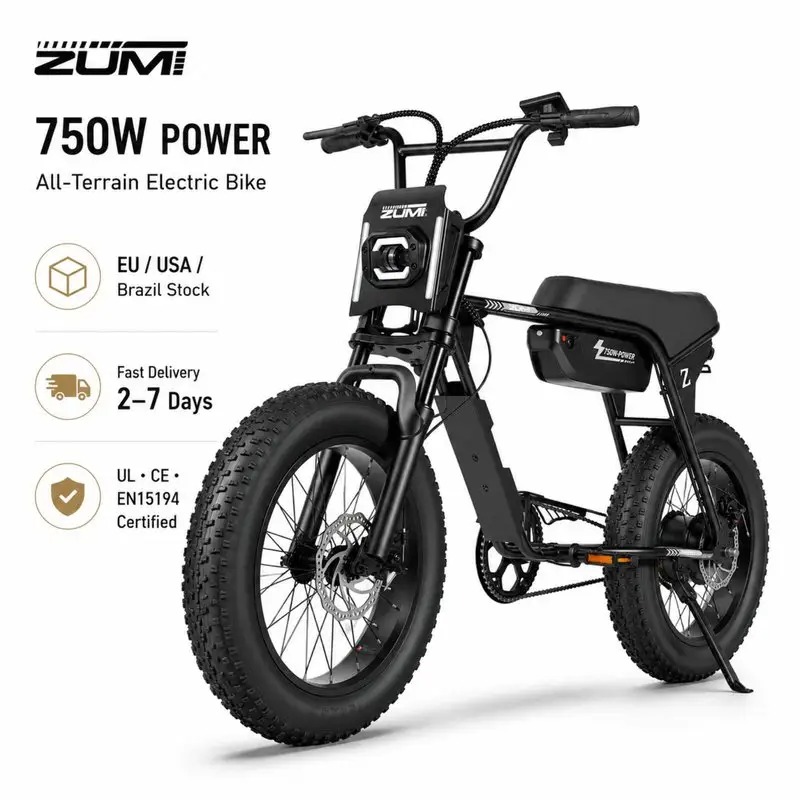
2026/08/03
Learn precise air pressure, rebound & compression tuning for optimal suspension performance. Get pro-level setup tips now.
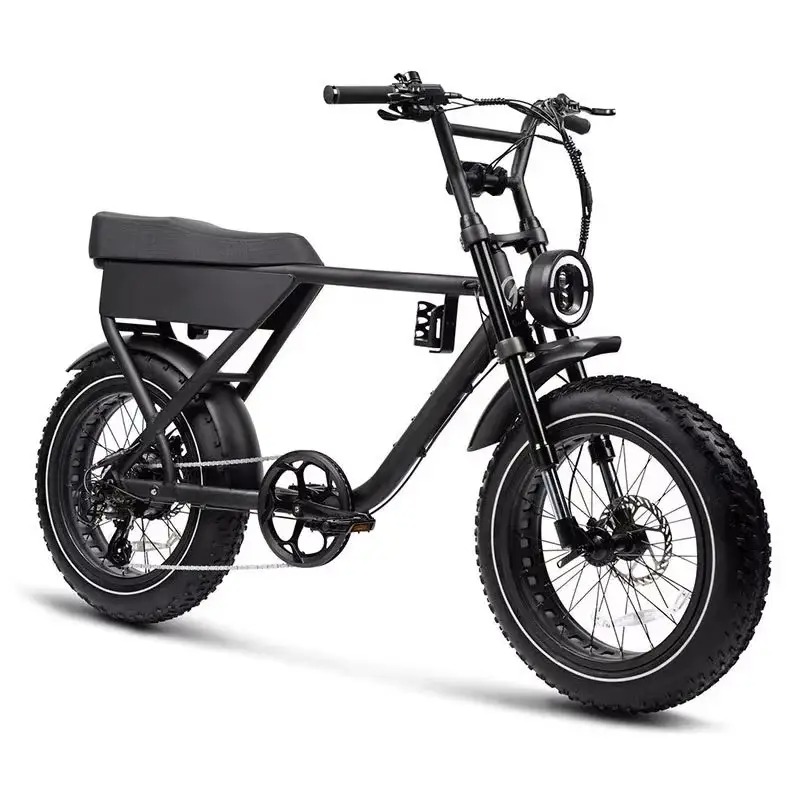
2026/08/03
Discover how voltage drop saps performance—and proven fixes to restore responsiveness, range, and battery life. Read now.
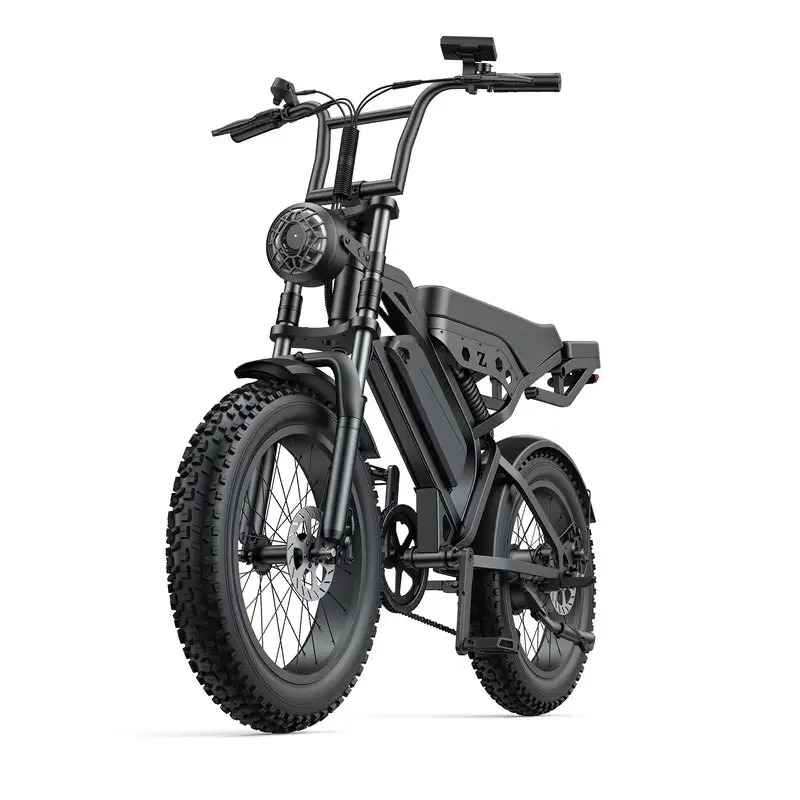
2026/08/03
Discover data-backed protocols, smart infrastructure & operational fixes. Optimize now.
2026/08/03
How payload cuts 48V cargo ebike range by 15–50%+ — backed by real-world degradation curves, motor load science & fleet optimization strategies.
Comprehensive warranty, fast parts shipping, remote diagnostics and local dealer training


