 EN
EN

STEP 1
Full vehicle warranty for 2 years
2026/08/18
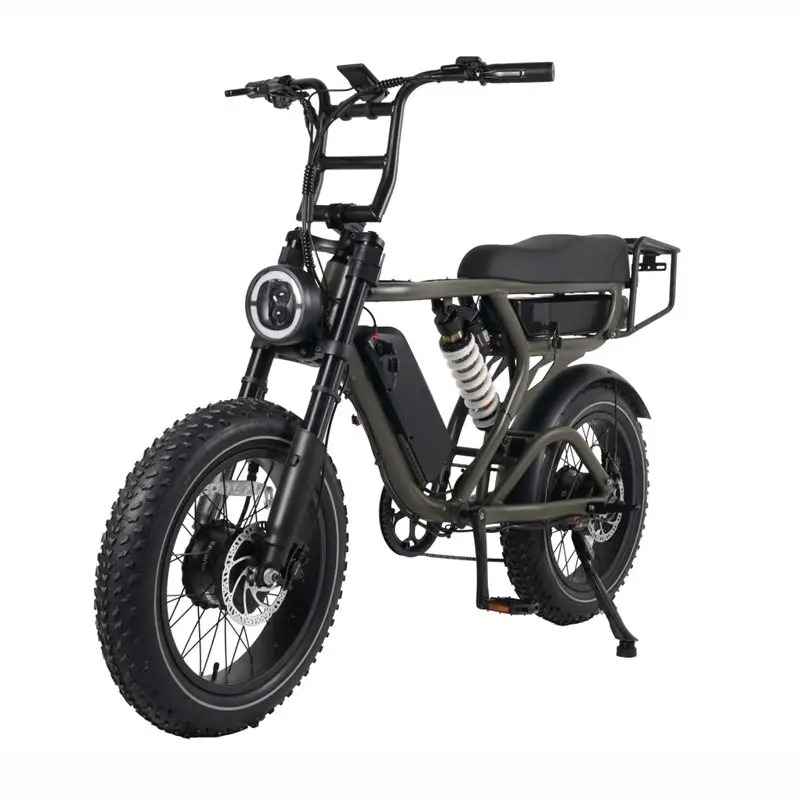
Organizations increasingly recognize that supporting sustainable commuting options enhances workplace culture and employee satisfaction. A commuter electric bike represents one of the most practical solutions for urban and suburban employees seeking reliable, low-cost daily transportation. However, the adoption of electric assist commuter bike technology depends heavily on infrastructure support at the workplace, particularly convenient charging solutions that eliminate range anxiety and encourage consistent use.
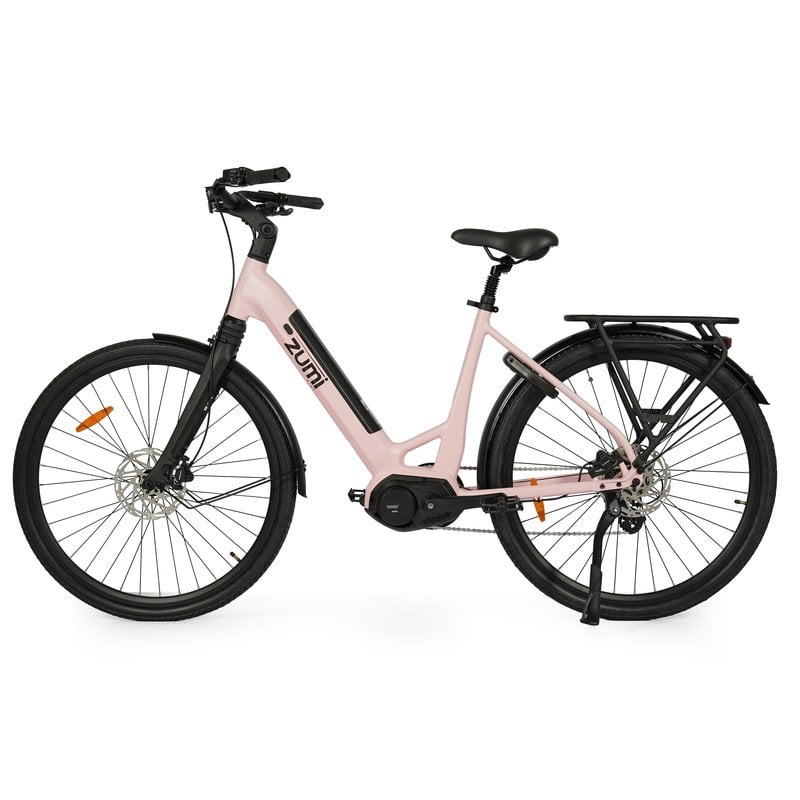
Workplace charging infrastructure transforms the commuter ebike for sale proposition from an individual purchase into a complete transportation ecosystem. When employees know they can fully recharge their city commuter electric bike during the workday, adoption barriers dissolve. This article explores the essential considerations for implementing workplace charging systems that genuinely serve commuter populations and deliver measurable business benefits.
Most modern commuter electric bike models operate on 36V to 52V battery systems, requiring dedicated charging stations with appropriate electrical output and safety certifications. An ebike commuter bike battery typically stores between 400Wh and 700Wh, meaning a full charge demands approximately 200–400 watts of continuous power. Workplace charging infrastructure must accommodate multiple simultaneous chargers without overwhelming existing electrical panels, requiring either dedicated circuit installation or strategically distributed charging stations across parking areas.
Safety compliance remains paramount when deploying commuter electric bike charging at scale. All charging equipment must meet local electrical codes, include weatherproofing for outdoor installations, and feature integrated protection against overcharging, short circuits, and temperature fluctuations. Organizations should consult with licensed electricians before finalizing infrastructure placement to ensure both employee safety and insurance compliance.
Effective workplace charging requires thoughtful site selection that balances visibility, security, and accessibility for employees using electric assist commuter bike commuting patterns. Covered charging stations placed near employee entrances encourage adoption, while secure bike racks integrated with charging points reduce theft risk and improve space utilization. The city commuter electric bike parking area should be clearly marked, well-lit during evening hours, and positioned away from high-traffic pedestrian zones to prevent congestion.
Organizations with limited outdoor space can implement charging solutions in indoor bike rooms or dedicated storage areas. This approach protects commuter ebike for sale units from weather exposure while providing a secure environment for charging. Indoor facilities should include proper ventilation, fire-rated charging cabinets, and clear signage explaining usage protocols and safety requirements.
Selecting appropriate charging hardware represents the foundation of any commuter electric bike workplace infrastructure project. Standard options include weatherproof outdoor pedestal chargers, wall-mounted charging units for covered areas, and modular charging lockers that combine storage with integrated charging capability. For organizations supporting diverse commuter electric bike models, universal charging stations accommodating multiple connector types ensure compatibility across different manufacturer standards.
Installation should prioritize scalability and future expansion, as adoption of electric assist commuter bike commuting typically grows once reliable infrastructure exists. Starting with four to six charging stations allows assessment of demand patterns before significant capital investment. Many organizations discover initial installation underestimates actual adoption, making expansion capability essential. Electrical infrastructure planning should account for potential doubling or tripling of charging capacity within two to three years as the city commuter electric bike culture strengthens among employees.
Clear policies governing commuter ebike for sale charging access eliminate confusion and prevent infrastructure misuse. Organizations should establish guidelines specifying charging duration limits, permitted usage hours, authorization requirements, and accountability mechanisms. Digital access systems using employee ID cards or mobile apps provide convenient authentication while generating usage data revealing peak demand periods and identifying infrastructure optimization opportunities.
Employee education campaigns significantly impact successful workplace charging adoption for commuter electric bike users. Information sessions explaining proper charging procedures, battery maintenance practices, and safety considerations build confidence among staff considering this commuting option. Integration with company wellness programs and sustainability initiatives positions commuter electric bike infrastructure as part of broader organizational commitment to employee wellbeing and environmental responsibility, encouraging participation beyond early adopter populations.
Organizations implementing workplace charging infrastructure for commuter electric bike users report measurable improvements in employee satisfaction, punctuality, and retention. Employees utilizing electric assist commuter bike commuting experience reduced daily transportation costs, decreased parking space requirements, and improved physical wellness compared to traditional commuting methods. These benefits extend beyond individual employees, generating organizational advantages including reduced parking demand, lower real estate costs, improved air quality around facility entrances, and enhanced corporate reputation among environmentally conscious talent markets.
Supporting city commuter electric bike infrastructure demonstrates authentic commitment to sustainable operations, strengthening recruitment capabilities for younger demographics and employees valuing corporate environmental stewardship. Companies advertising commuter ebike for sale charging availability in job postings attract talent viewing sustainable commuting as lifestyle alignment rather than mere transportation. This positioning advantage proves particularly valuable in competitive labor markets where cultural fit and organizational values influence employment decisions.
Long-term success of commuter electric bike workplace charging requires consistent maintenance protocols and proactive equipment monitoring. Organizations should establish quarterly inspection schedules addressing weatherproofing integrity, electrical connection safety, and physical damage assessment. Equipment failures must trigger rapid response procedures ensuring continuous infrastructure availability, as broken chargers quickly undermine employee confidence and commuting adoption.
Seasonal variations affect commuter electric bike usage patterns and charging demand, requiring adaptive management strategies. Winter months typically see increased utilization as employees seek reliable transportation alternatives to conventional bicycles, while summer periods attract casual riders. Workforce turnover and new employee onboarding create continuous demand for infrastructure education. Organizations maximizing workplace charging success maintain flexible capacity planning, regular communication updates, and willingness to adjust policies based on evolving employee commuting patterns and feedback.
Most organizations should begin with one charging station per 15–25 employees interested in commuter ebike for sale commuting. A 250-person company might start with 12–15 charging points and expand based on utilization data. Peak demand typically occurs between 8–9 AM and 5–6 PM, so multiple chargers prevent bottlenecks. Usage monitoring over 6–12 months provides accurate data for right-sizing infrastructure investments and avoiding both underutilization and capacity shortages.
Most facilities require dedicated electrical circuits, weatherproof outlet installation, and potentially main panel upgrades depending on existing capacity. A licensed electrician should assess current electrical infrastructure and determine whether 120V standard outlets suffice or dedicated 240V circuits are necessary for multiple simultaneous chargers. Budget ranges from $2,000–$10,000 for basic outdoor installation to $15,000–$40,000 for comprehensive facilities with multiple city commuter electric bike charging stations and integrated storage solutions. Investment scales directly with infrastructure ambition and existing electrical state.
Successful adoption strategies combine infrastructure investment with communication and incentive programs. Trial programs offering corporate discounts on commuter electric bike purchases alongside guaranteed charging access reduce financial barriers. Information sessions explaining benefits, safety practices, and maintenance requirements build confidence among hesitant employees. Pairing commuter ebike for sale discounts with workplace charging infrastructure creates compelling value proposition encouraging broader participation and normalizing electric assist commuter bike commuting within organizational culture.
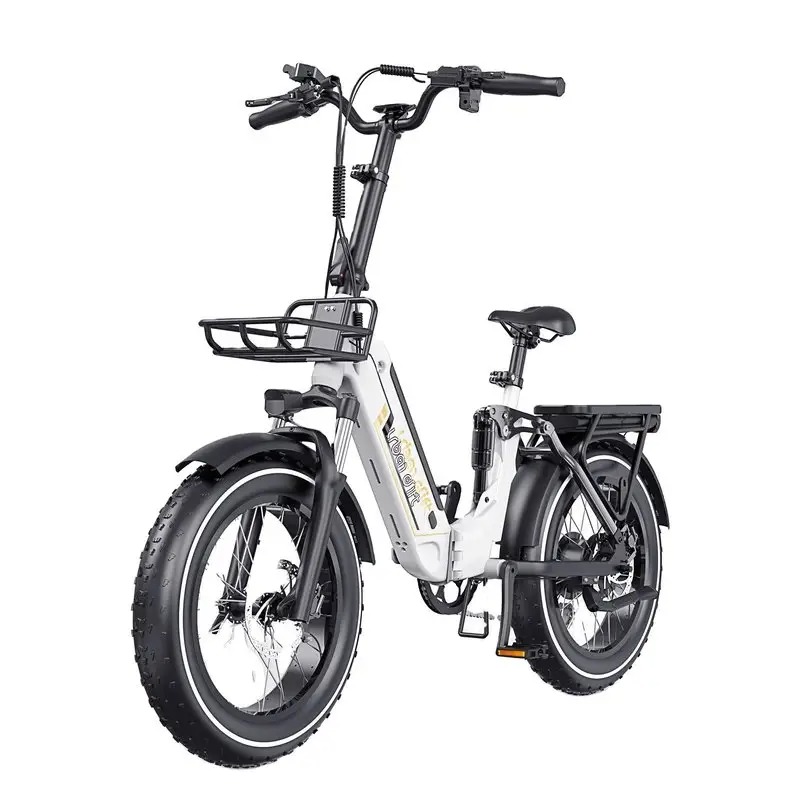
2026/08/03
Fix time zones, language gaps, and unclear protocols—boost speed, cut costs, and scale confidently.
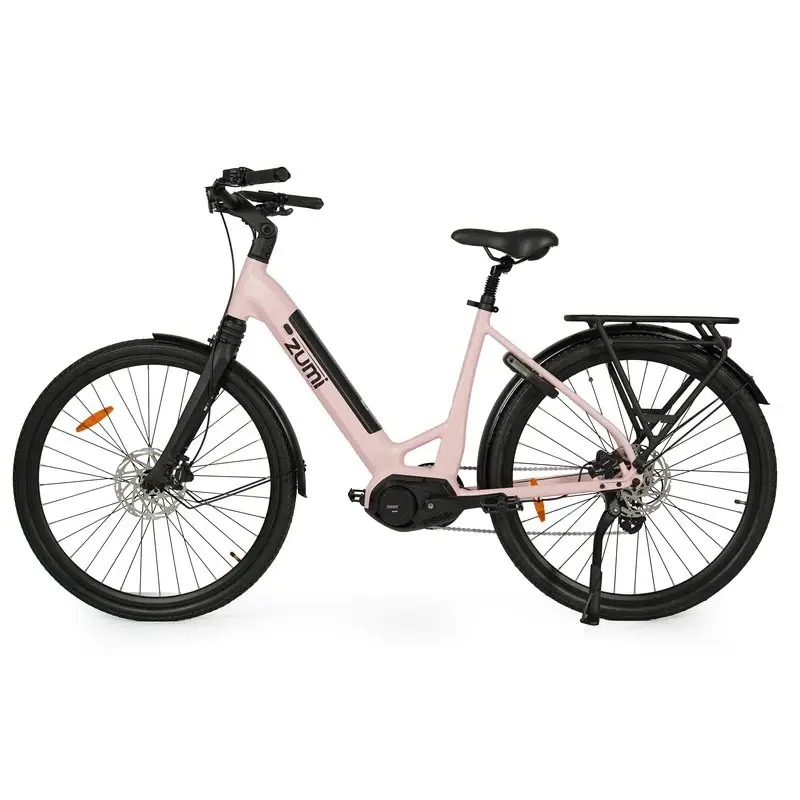
2026/08/03
Avoid liability & import bans: Learn IEC 62619, UN 38.3, and UL 2271—plus how to verify real compliance (not fakes).
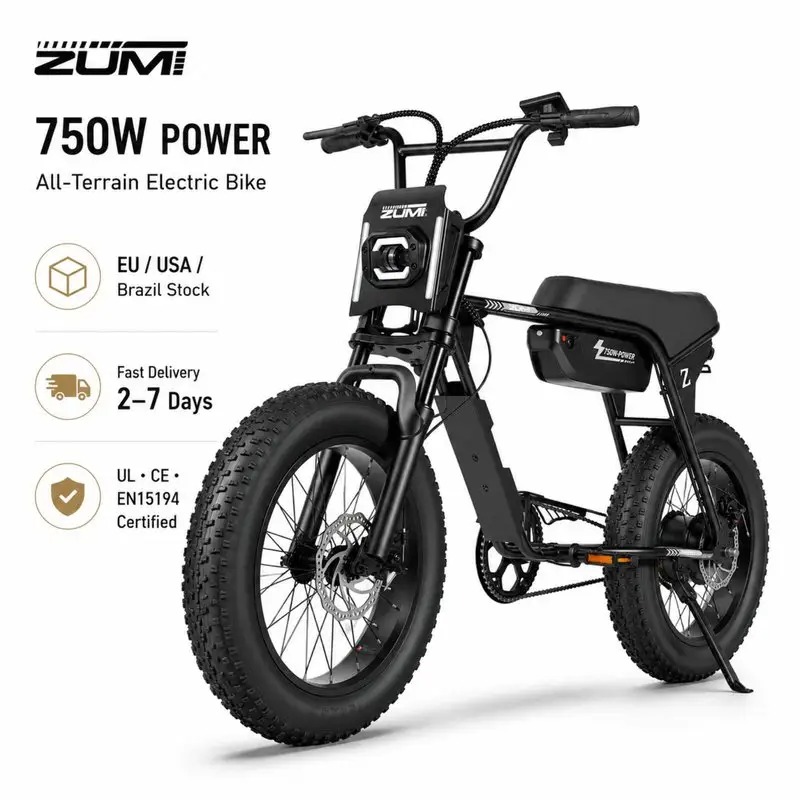
2026/08/03
Learn precise air pressure, rebound & compression tuning for optimal suspension performance. Get pro-level setup tips now.
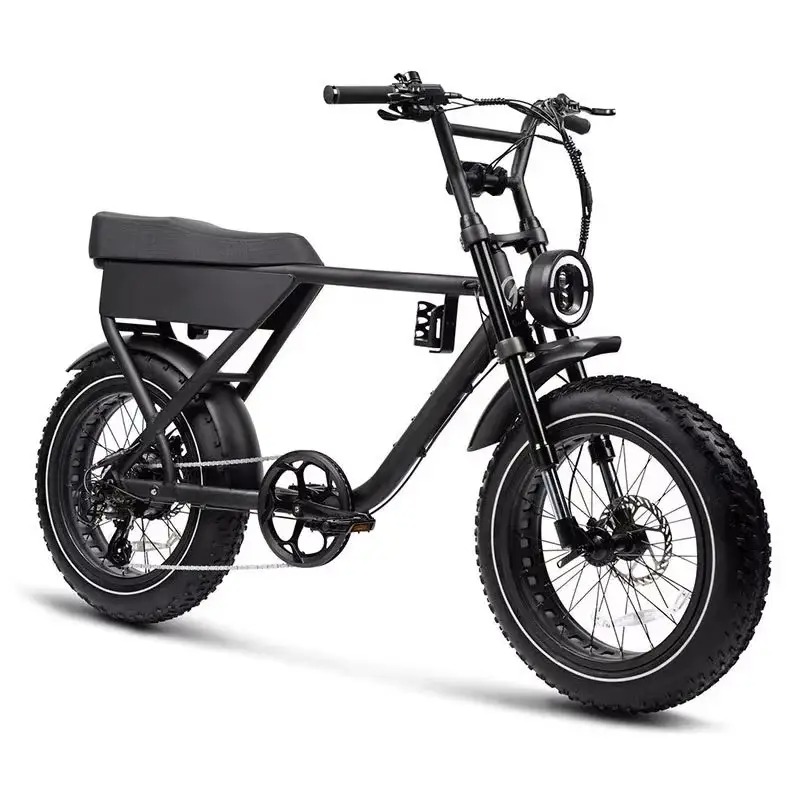
2026/08/03
Discover how voltage drop saps performance—and proven fixes to restore responsiveness, range, and battery life. Read now.
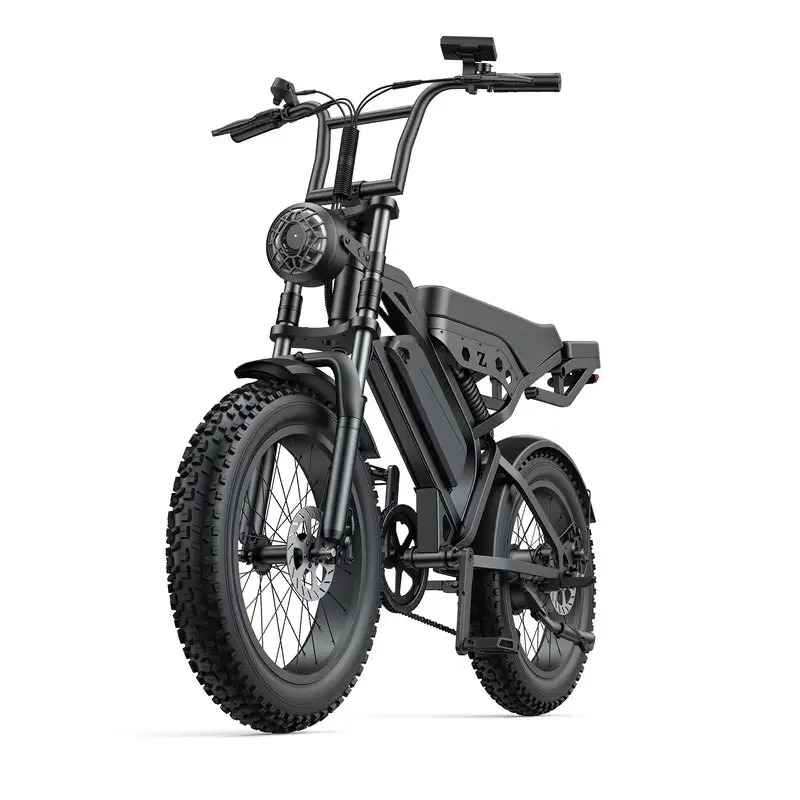
2026/08/03
Discover data-backed protocols, smart infrastructure & operational fixes. Optimize now.
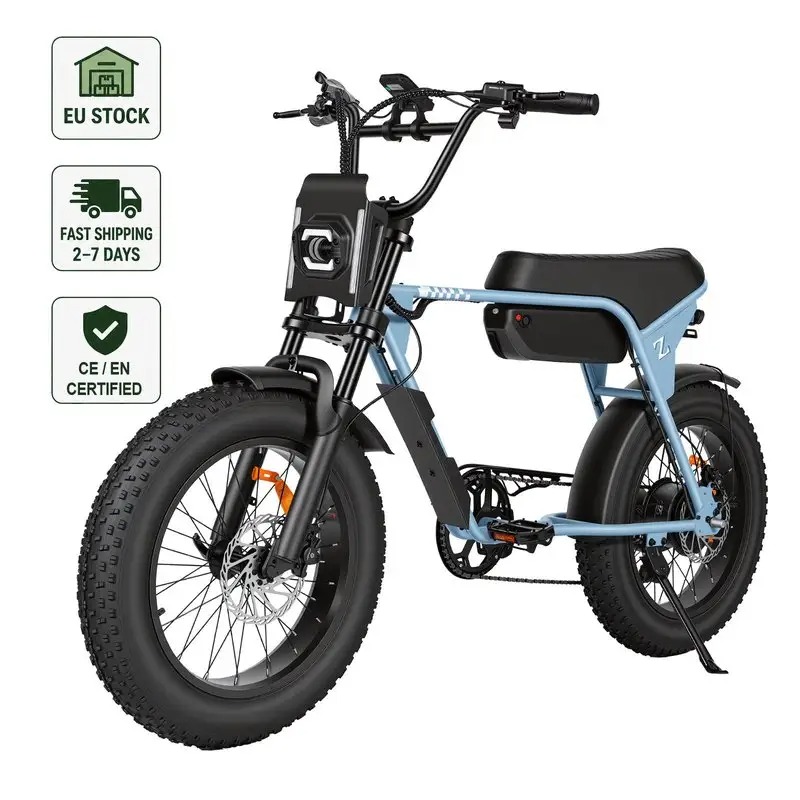
2026/08/03
How payload cuts 48V cargo ebike range by 15–50%+ — backed by real-world degradation curves, motor load science & fleet optimization strategies.
Comprehensive warranty, fast parts shipping, remote diagnostics and local dealer training


